The Eternal Dance of Love and Death
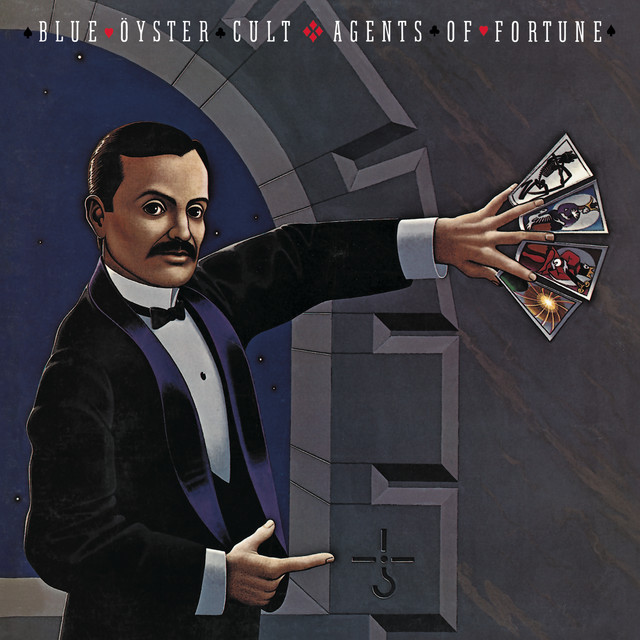
Blue Öyster Cult's '(Don't Fear) The Reaper' is more than just a rock staple; it’s a cultural touchstone that has profoundly influenced how love and death are portrayed in music and media. Released in 1976 on their album 'Agents of Fortune,' the song, penned by lead guitarist Donald Roeser, is a haunting meditation on mortality intertwined with the idea of eternal love.
From its opening cowbell to its hypnotic guitar riff, the track invites listeners to confront the inevitability of death without fear. The lyric “All our times have come” suggests a shared human experience that transcends individual fears. This theme resonates throughout pop culture, where love stories often grapple with mortality, emphasizing that love does not end with death but transforms into something more profound.
A New Narrative on Death
Prior to the release of '(Don't Fear) The Reaper,' death in popular music often carried a stigma or was approached with trepidation. However, Blue Öyster Cult flipped the script, promoting a narrative that embraces death as a natural part of life. This shift has been echoed in numerous works across genres, from The Smiths' melancholic lyrics to the cinematic portrayals of love that defy the finality of death.
"Seasons don't fear the reaper, nor do the wind, the sun, or the rain."
The notion that nature itself does not fear death empowers listeners to reconsider their views on mortality. It has paved the way for artists to explore themes of love and loss in a more accepting and sometimes celebratory manner, evident in the works of artists like Death Cab for Cutie and even in films like 'The Fault in Our Stars.'
Pop Culture's Love Affair with the Afterlife
In the years following its release, '(Don't Fear) The Reaper' has been featured in various films and TV shows, often in key moments that underscore its themes. The iconic 'Saturday Night Live' sketch featuring Will Ferrell and Christopher Walken brought the song back into the public consciousness, reinforcing its status as a cultural symbol of both love and mortality.
Such portrayals have led to a cultural acceptance of the idea that love can persist beyond death, a concept that resonates in works ranging from 'Ghost' to 'The Notebook.' These narratives echo the sentiment that the connection between lovers can transcend the physical realm, a notion that Blue Öyster Cult popularized.
Influence on Contemporary Music
The impact of '(Don't Fear) The Reaper' on contemporary music is undeniable. Artists have drawn inspiration from its lyrical themes and musical structure, often citing it as a reference point. Bands like My Chemical Romance and The Cure have adopted similar motifs, weaving tales of love intertwined with the specter of death, thus keeping the conversation alive.
Interestingly, the song was produced by David Lucas, who helped shape its ethereal sound, making it a staple of classic rock radio.
The song’s enduring popularity speaks to its universal appeal. It resonates with listeners who are navigating their own relationships with love and loss. In a world that often shies away from discussions about death, Blue Öyster Cult’s classic encourages an open dialogue, reminding us that love can indeed conquer even the most formidable of endings.
Conclusion
'(Don't Fear) The Reaper' remains a powerful cultural artifact, one that has reshaped our understanding of love and death in music and beyond. Its legacy is one of acceptance and exploration. As artists continue to grapple with these themes, they do so on the shoulders of this iconic track, a song that has not only survived the test of time but has also evolved, influencing generations to face the inevitable with love, rather than fear.