The Weight of Words
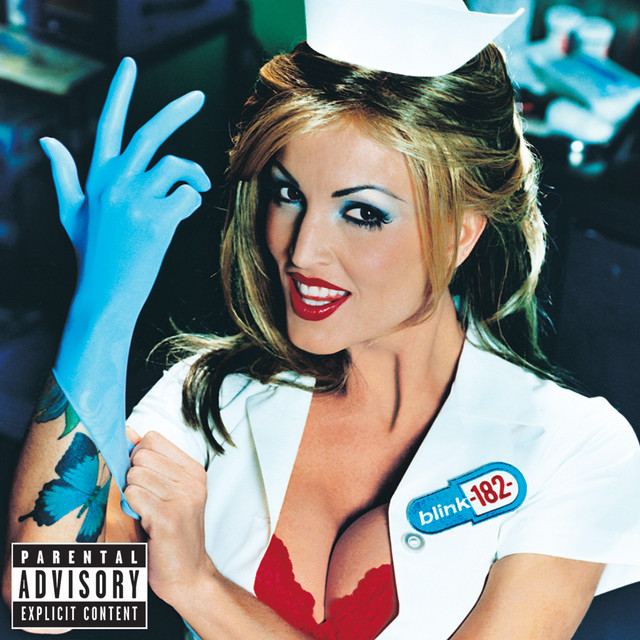
'Adam's Song,' released in 1999 on Blink-182's landmark album Enema of the State, was a departure from the band's usual playful, irreverent style. Instead of light-hearted anecdotes and juvenile humor, this track confronted the bleakness of depression and existential despair. With lines like
, the song captures the haunting isolation that many young people felt, paving the way for a more open discussion about mental health."I never thought I'd die alone"
Context of the 90s
The late 90s was a pivotal era. The rise of grunge had already peeled back the layers of glamor and bravado in rock, exposing raw emotions and the realities of mental health struggles. Yet, pop-punk bands like Blink-182 were still expected to deliver fun, carefree music. Enema of the State was largely celebrated for its catchy hooks and cheeky lyrics, but 'Adam's Song' shattered this formula with somber introspection.
Breaking Taboos
In 'Adam's Song,' Mark Hoppus's candid lyrics reflect a struggle that was all too common among adolescents. The song's exploration of suicidal thoughts and feelings of hopelessness was groundbreaking for a band in the pop-punk sphere. The line
speaks to a universal desire for connection, one that many listeners found relatable amidst their own battles with loneliness."I want to see you, I want to be with you"
A New Language for Pain
Hoppus’s vulnerability in expressing despair resonated with a generation that often felt the need to suppress these feelings. By embedding such heavy themes in a genre typically associated with lightness, Blink-182 introduced a new language to articulate pain, making it more acceptable to talk about mental health, even in a culture that often stigmatized it.
Interestingly, 'Adam's Song' has been recognized for its impact, often cited in discussions about music's role in mental health awareness.
The Ripple Effect
The influence of 'Adam's Song' extended beyond its initial release. As the 2000s unfolded, bands like My Chemical Romance and Fall Out Boy would take cues from this openness, further normalizing discussions around mental health in their own lyrics. Songs like MCR's Welcome to the Black Parade carried forward the torch of vulnerability, but 'Adam's Song' was the one that lit the flame.
Legacy of Honest Dialogue
Fast forward to the present, and the conversation around mental health continues to evolve. Social media has become a platform for transparency, allowing artists like Halsey and Logic to share their struggles openly, echoing the sentiments first voiced by Blink-182. The genre has matured, yet the core message remains the same: it’s okay not to be okay.
Conclusion
'Adam's Song' serves as a cultural touchstone, embodying a critical moment in music history where pop-punk became a vessel for discussing mental health. As listeners continue to grapple with their own issues, the song stands as a reminder that reaching out for help is not a sign of weakness, but rather a step toward healing.