Mark Hoppus and the Weight of Words
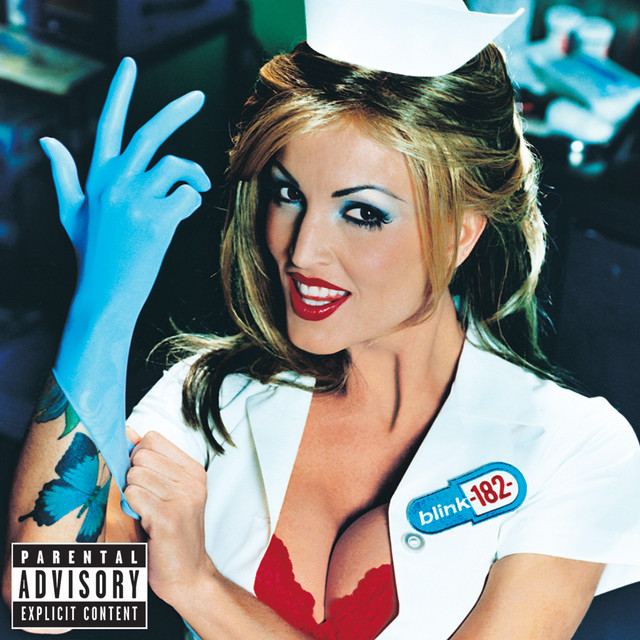
When blink-182 released "Adam's Song" in 1999, the world was still buzzing from the catchy hooks and youthful energy of their previous hits. Yet, tucked away in the reflective depths of their third studio album, Enema of the State, was a track that starkly contrasted the band's snarky, irreverent image. This song was Hoppus's raw confrontation with his personal struggles, particularly his battles with depression and feelings of isolation.
A Glimpse Into Despair
Written during a time when Hoppus was grappling with overwhelming emotions, "Adam's Song" captures the essence of loneliness and despair with startling clarity. The line,
, poignantly reveals the depths of his internal conflict. It's not just a narrative about a fictional character named Adam; it's a reflection of Hoppus's own fears and insecurities. The vulnerability in these lyrics allows listeners to feel the weight of his experiences."I never thought I'd die alone"
Contextualizing the Pain
At the time of the song's release, Hoppus was in his mid-twenties, an age often associated with both freedom and confusion. The juxtaposition of youthful exuberance and the crushing burden of mental health struggles is evident throughout the song. The haunting melody complements the lyrics, creating a sense of melancholy that resonates with anyone who has felt lost.
Behind the Scenes of 'Enema of the State'
Produced by Jerry Finn, Enema of the State was a commercial milestone for blink-182, solidifying their place in pop-punk history. Yet, amidst the anthems of teenage angst, Hoppus's personal turmoil was brewing. The album's success brought its own pressures, further exacerbating his feelings of inadequacy and loneliness.
Did you know? "Adam's Song" was inspired by a late-night conversation Hoppus had with a friend about the struggles of adulthood and the pressures that come with it.
Evolution of Hoppus’s Themes
Hoppus's struggles didn’t stop with "Adam's Song." As blink-182 continued to evolve, themes of mental health resurfaced in tracks like "Always" from their untitled album in 2004. In "Always," Hoppus again confronts feelings of longing and regret, showing how his experiences remained a prevalent force in his songwriting. The continuity of these themes illustrates a man wrestling with his demons, not just a fleeting moment of introspection.
Legacy and Impact
"Adam's Song" has transcended the confines of its genre, becoming an anthem for those grappling with similar feelings. Fans often cite this track as a pivotal moment in their lives, noting how it helped them through dark times. Hoppus’s willingness to share his vulnerabilities has opened conversations around mental health, particularly in a genre that often prioritizes bravado over sincerity.
The Personal and the Universal
Ultimately, "Adam's Song" is more than just a track on an iconic album. It serves as a testament to Mark Hoppus's bravery in confronting his personal struggles and sharing them with the world. The raw honesty in his lyrics invites listeners to connect with their own experiences, making it a timeless piece in the blink-182 discography.