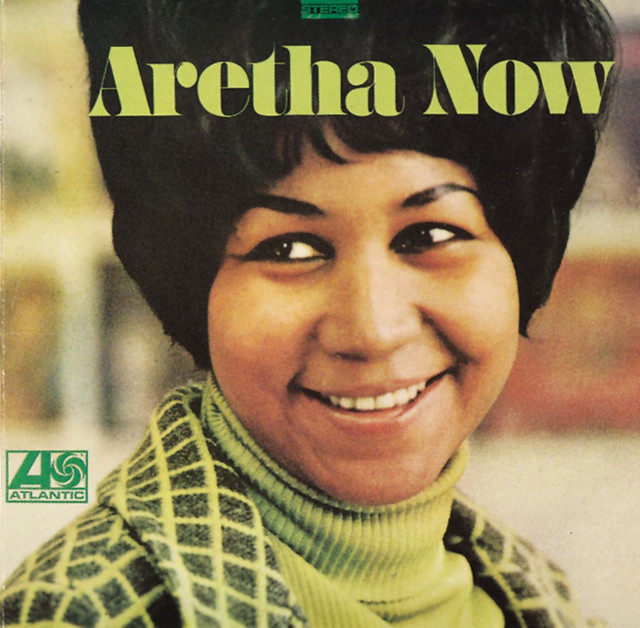
The Soundtrack of a Movement
Released in 1968, Aretha Franklin's rendition of "You Send Me" stands as a remarkable intersection of musical genius and societal change. Originally penned by Sam Cooke in 1957, the song has been covered numerous times, but Franklin's interpretation added a layer of urgency and emotion that echoed the Civil Rights Movement's aspirations.
Franklin's version, featured on her album Aretha Now, was produced by her then-husband Ted White. While the song's themes of love and longing are universal, they also mirror the yearning for justice and equality that permeated the era. The soulful sound and Franklin's powerful delivery transformed the track into more than just a love song; it became an anthem for a generation seeking change.
Lyrics as a Call to Action
In a time when the fight for civil rights was front and center, Franklin's emotive vocals on lines like
transcended personal love. They spoke to the deep-rooted desire for connection and recognition, not just within romantic relationships but also within the broader societal context of racial equality."Darling, you send me, I know you send me"
The Civil Rights Movement was about forging connections—between people, cultures, and ideals. Franklin's delivery encapsulated the struggle of African Americans seeking acknowledgment and respect in a society rife with division. The passion in her voice exuded a sense of hope that was palpable during protests and marches, where music often served as a rallying cry.
Aretha and Sam: A Legacy of Influence
Sam Cooke's influence on Franklin is undeniable. His original version of "You Send Me" laid the groundwork for what would evolve into a song that spoke not just to romantic love but to the broader human experience. Cooke's own life was deeply intertwined with the Civil Rights Movement; he used his platform to advocate for change, making the song a fitting tribute to the cause.
Did you know? Aretha Franklin was a close friend of Martin Luther King Jr., and her music often played at rallies and events during the Civil Rights Movement.
The Evolution of 'You Send Me'
Franklin's take on "You Send Me" was not the first; Teresa Brewer had already recorded it in 1957. However, the song found new life with Franklin's soulful twist, which was further echoed in covers by artists like the Ponderosa Twins Plus One in 1971 and The Manhattans in 1985. Each version brought its unique flavor, but Franklin's remains the most culturally significant, a beacon during a pivotal time in American history.
The song's enduring popularity speaks to its versatility and Franklin's artistry. While it was a love song at heart, it became part of the soundtrack to a movement that demanded love in a much broader sense—love for one another, love for justice, and love for the future.
Beyond the Music
Listening to "You Send Me" today, one cannot help but feel the weight of its context. The soulful melodies and heartfelt lyrics offer a poignant reminder of the struggles faced and the progress made. Aretha Franklin's powerful voice didn't just sing about love; it sang for change, embodying the spirit of a movement that sought to uplift and unite.
In an era defined by upheaval and transformation, Franklin's rendition of "You Send Me" served as both a love song and a rallying cry. It encapsulated the duality of personal and collective longing, making it a timeless piece that resonates with ongoing social justice efforts.