The Evolution of a Classic
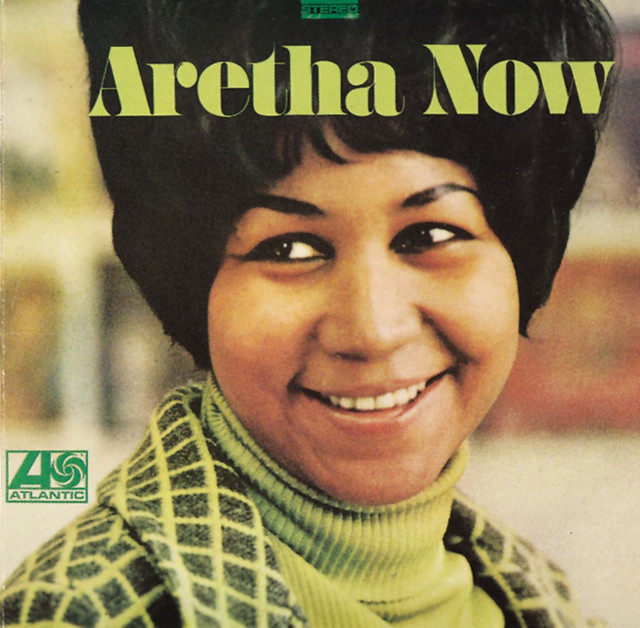
Originally penned by Sam Cooke and released in 1957, "You Send Me" has seen multiple interpretations over the decades. However, it was Aretha Franklin's 1968 version on her album Aretha Now that redefined the song’s essence, transforming it from a simple love ballad into a potent feminist statement.
A Shift in Perspective
Franklin’s rendition captures the intoxicating thrill of love but does so with a distinct assertiveness. Unlike the original, which celebrates love in a more passive voice, Franklin's version exudes confidence and agency. She sings about the overwhelming sensations of love while demanding recognition of her own power in the relationship.
"You send me, I know you send me..."
This refrain, while seemingly romantic, also implies an active participation in love rather than mere submission. Franklin's delivery transforms the narrative; she isn't just a recipient of affection but a participant with her own desires and needs.
Context in Feminism
Released in 1968, during a pivotal time for women's rights, Franklin's version of “You Send Me” speaks to the growing feminist movement. Women were beginning to assert their independence and agency, and Franklin’s powerful vocals embodied this shift. Where the original version could be interpreted as passive acceptance of love, Franklin’s interpretation insists on the mutuality of love.
Aretha Franklin often collaborated with her then-husband Ted White, who produced this track. Their partnership brought a new level of emotional depth to her music.
Influence and Legacy
Franklin wasn’t the only artist to cover “You Send Me.” Teresa Brewer’s version in 1957 and later renditions by Ponderosa Twins Plus One (1971) and The Manhattans (1985) illustrate the song’s enduring appeal. Yet, it’s Franklin’s take that stands out as it repositions love songs within a feminist framework.
In her version, Franklin offers a new interpretation that aligns with the ideals of empowerment, making it a timeless anthem for women seeking to assert their desires. The song’s richness lies in its ability to resonate across generations, as women continue to navigate their identities within romantic relationships.
The Final Word
Ultimately, Aretha Franklin's interpretation of “You Send Me” is more than just a cover; it’s a declaration of independence and self-worth. The song's heartfelt delivery, combined with its assertive lyrics, transforms it into a feminist anthem that challenges traditional notions of love and relationships. It captures a moment in time where women were beginning to redefine their roles in love, making it as relevant today as it was in 1968.