Love Beyond Submission
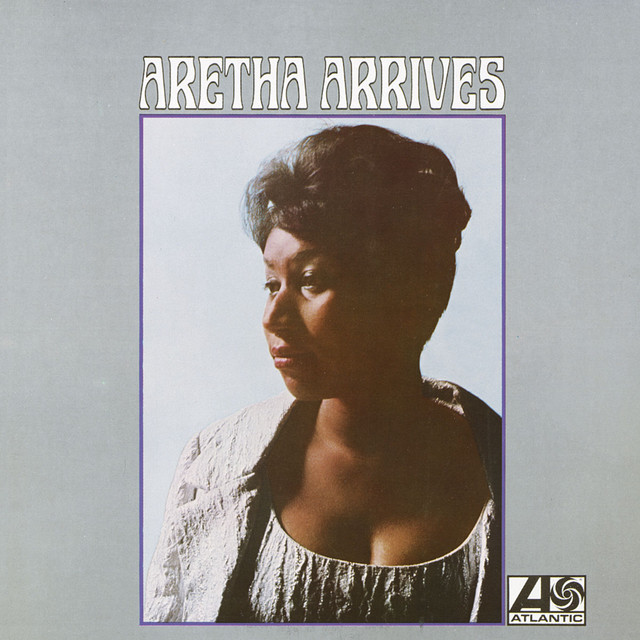
Aretha Franklin's "Baby, I Love You" is often celebrated for its soulful melody and heartfelt lyrics. Released in 1967 as part of her album Aretha Arrives, this iconic track marked a significant moment not just in music, but also in the cultural shift regarding women's roles in the 1960s and 70s.
In an era when the women's liberation movement was gaining momentum, Franklin's interpretation of love was anything but passive. While many love songs of the time portrayed women in submissive roles, Franklin's voice brought a new assertiveness to the genre. Her declaration of love was a bold statement, one that encouraged women to express their desires openly.
Challenging Gender Norms
"Baby, I Love You" stands out for its message of mutual affection rather than dependence. The line,
is not just a simple refrain; it's a powerful assertion of emotional agency. In the context of the feminist movement, this approach was revolutionary."Baby, I love you, baby, I love you, oh, oh, oh!"
The late 60s represented a time when traditional gender roles were being questioned. Women were demanding more than just a place in the home; they wanted to be seen as equal partners in love and life. Franklin's music served as a soundtrack to this shift, inspiring women to reclaim their voices.
Redefining Love and Power
Franklin's rendition of love was dynamic—her voice soaring, filled with conviction. This was a stark contrast to the often soft-spoken love songs of her contemporaries. With lyrics that radiated confidence, she transformed the narrative of love into one of empowerment. Instead of longing or neediness, her expression of love was grounded in strength.
The song's upbeat tempo and Franklin's vocal prowess created a sense of joy that was infectious. Listeners were not just hearing a declaration of love; they were experiencing a call to action. This was especially relevant during a time when women were not only fighting for equal rights but also redefining their own identities.
Music as a Movement
Franklin's impact went beyond the confines of her music. She became a cultural icon, embodying the spirit of the civil rights movement while simultaneously promoting female empowerment. Her songs, including "Baby, I Love You," became anthems for women seeking recognition and respect. This duality—fighting for civil rights while advocating for women's rights—was not just a personal mission for Franklin, but a collective movement that echoed through the generations.
Interestingly, Franklin's work was often intertwined with her activism. She performed at various civil rights events, using her platform to amplify the voices of marginalized communities.
Legacy of Empowerment
The legacy of "Baby, I Love You" continues to echo in today's music. Modern artists draw inspiration from Franklin's powerful message of love and strength. The song serves as a reminder that love can be empowering rather than confining.
As we reflect on the influence of Aretha Franklin, it's clear that her contributions were more than musical. They were a vital part of the feminist movement, providing both solace and strength to women navigating a rapidly changing world. In a society that often limits women's voices, Franklin's insistence on love as a powerful force remains relevant, encouraging new generations to express their emotions without fear.