Rooted in Personal Experience
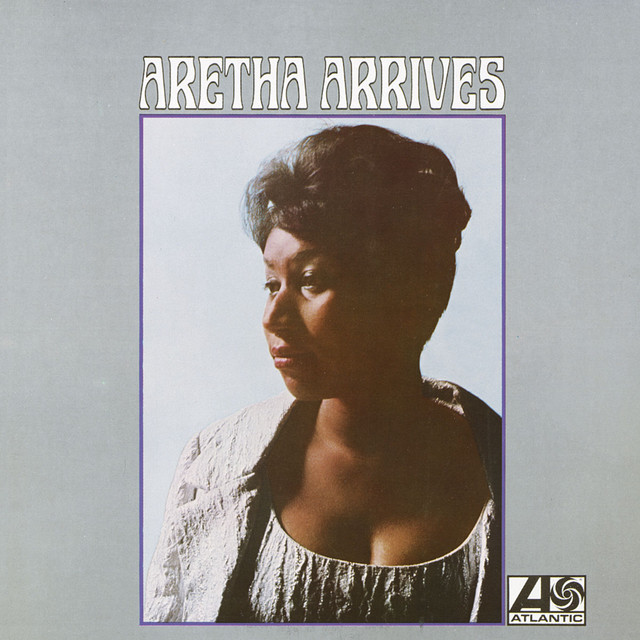
Aretha Franklin's "Baby, I Love You" transcends mere affection; it’s a declaration steeped in the emotional trials of her life. Released in 1967 as the only single from her album Aretha Arrives, this track showcases a rawness that can be traced back to her experiences with love and heartache. The song's arrangement, produced by Jerry Wexler, embodies the rich, soulful sound that Aretha was known for, yet it's the emotional underpinning that sets it apart.
The Weight of Heartbreak
Franklin's journey through a tumultuous personal life adds layers to her performance. Having faced the dissolution of her marriage to Ted White amid allegations of abuse, her interpretation of love is tinged with complexity. The line,
, is not just a simple affirmation; it's a wrestling match between desire and pain, reflecting the turmoil she endured."Baby, I love you, I love you, I love you"
A Voice of Vulnerability
In this song, Franklin's vocal delivery is a masterclass in vulnerability. The way she navigates the emotional landscape of the lyrics brings an authenticity that feels almost confessional. Her ability to convey a sense of longing—one that's not purely romantic but deeply human—transforms the song into a universal anthem. It’s not just about saying “I love you,” but about the weight that those words carry.
Influence of Gospel Roots
Aretha's gospel roots also play a crucial role in the emotional depth of "Baby, I Love You." Growing up in a church environment, she learned to infuse her music with a spiritual fervor that resonates in her delivery. The passion found in her singing can be traced back to her childhood, where love and faith were intermingled. This background allows her to elevate the song into a realm where love feels sacred, even when tinged with sorrow.
Did you know? "Baby, I Love You" was a commercial success, reaching #1 on the R&B charts and solidifying Aretha's status as the Queen of Soul.
Reflections of Resilience
Franklin's emotional journey is further complicated by her experiences with racism and sexism in the music industry. These societal pressures seep into her songs, infusing them with a sense of urgency and resilience. When she sings,
it’s not merely a plea for love; it’s a demand for recognition and respect that echoes her fight against the systemic issues she faced."I need you, I need you, I need you,"
A Legacy of Deep Emotion
Ultimately, "Baby, I Love You" is more than just a love song; it’s a testament to Aretha Franklin’s indomitable spirit. It encapsulates the struggles and triumphs that define her artistry. In the context of her broader discography, particularly following the success of I Never Loved a Man the Way I Love You, this track serves as a poignant reminder of her journey as both an artist and a woman.
Aretha Franklin’s ability to channel her personal experiences into her music is what makes "Baby, I Love You" endure. It’s a piece that invites listeners to not only hear her words but to feel the weight of her experiences, making it a timeless anthem for anyone who has loved deeply and lost even deeper.