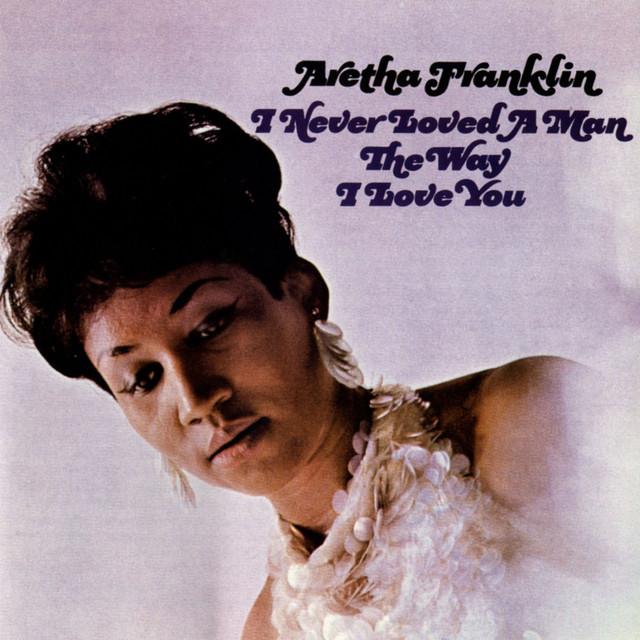
The Weight of a Song
Aretha Franklin's cover of "A Change Is Gonna Come" is more than just a powerful vocal performance; it’s an anthem that has shaped the course of music and social justice. Originally penned by Sam Cooke and released in 1964 on his album Ain't That Good News, the song emerged from the crucible of the Civil Rights Movement. Franklin's interpretation, released in 1967, took Cooke's heartfelt plea for change and infused it with her gospel roots, creating a version that became a touchstone for future artists.
A Voice for Generations
Franklin’s version stands out not only for its emotional depth but also for its cultural significance. She transformed the song into a rallying cry, not just for the struggles of her time but for generations to come. The lines,
resonate with anyone who has faced adversity and held onto hope. This sentiment has inspired countless musicians, from Nina Simone to Kendrick Lamar, who draw on Franklin's legacy to express their own narratives of struggle and triumph."It's been a long, a long time coming, but I know a change is gonna come"
The Soulful Influence
The raw emotion that Franklin poured into her rendition has become a benchmark for vocalists across genres. Artists like Adele and John Legend cite her influence, demonstrating how her soulful delivery has set a standard for authenticity in performance. The heartfelt plea in her voice challenges future artists to approach their work with the same honesty and vulnerability.
Contextualizing the Impact
Franklin recorded her version during a tumultuous period in American history, a time when the fight for civil rights was at the forefront. Her choice to cover Cooke’s song was a bold statement, aligning her artistry with the movement. This context has not been lost on modern artists who continue to use music as a platform for social change. In today’s climate of unrest, her rendition has seen a resurgence, with artists reinterpreting the song to address contemporary issues.
Aretha Franklin sold over 75 million records worldwide, solidifying her status as the "Queen of Soul."
A Lasting Legacy
Even beyond the realm of music, Franklin's interpretation serves as a historical artifact. It reminds listeners that change is not just a hopeful concept, but a tangible goal that can be attained through collective effort. The lyrics of hope she sang decades ago have been embraced by activists and artists alike, reinforcing the idea that music can be a powerful catalyst for societal change.
Echoes of the Past
When contemporary artists like H.E.R. or Janelle Monáe perform songs that echo Franklin’s themes, they are tapping into a legacy that Franklin helped to build. The way they weave social commentary into their music reflects a direct line back to the soul and passion Franklin exemplified in her career. Her version of "A Change Is Gonna Come" serves as both a reminder and an inspiration, urging artists to harness their platforms for change.
Conclusion: The Call to Action
Aretha Franklin didn’t just cover a song; she transformed it into a movement. This legacy extends beyond her lifetime, as each new generation of artists grapples with their own struggles and aspirations. The impact of her rendition of "A Change Is Gonna Come" is echoed in the work of artists who continue to champion social justice, proving that Franklin’s voice remains a guiding force in the fight for equality.