The Legacy of a Soulful Anthem
Aretha Franklin's interpretation of "A Change Is Gonna Come" is more than just a cover; it's a transformative moment in music history that cemented her status as the "Queen of Soul." Originally penned and performed by Sam Cooke, the song first appeared on his album Ain't That Good News in February 1964. Cooke's version was a response to the racial injustices of the time, and Franklin took that foundation and infused it with her own soulful essence, making it a rallying cry for the civil rights movement.
Franklin's Unique Interpretation
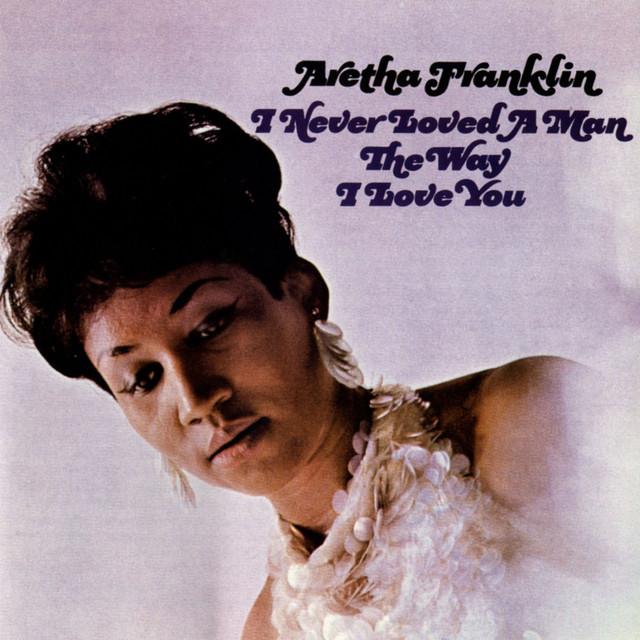
Released in 1967 as part of her acclaimed album I Never Loved a Man the Way I Love You, Franklin’s rendition carries a weight that goes beyond Cooke's original. Her powerful vocals, coupled with the gospel-infused arrangement, evoke a sense of urgency and defiance. Franklin’s ability to convey pain and hope through her voice turns the song into a profound statement of resilience.
"It's been a long, a long time coming, but I know a change is gonna come"
This lyric captures the essence of struggle and perseverance, which resonated deeply within the African American community during the tumultuous 1960s. The civil rights movement was marked by protests, marches, and an unyielding fight for equality, and Franklin’s version became an anthem of hope amidst the chaos.
Context of the Era
The mid-1960s were a time of monumental change in America. As African Americans fought against systemic racism and sought voting rights, music became an essential tool for expressing both the pain of oppression and the hope for a better future. Franklin’s rendition spoke directly to the heart of the movement, offering a sonic refuge that encouraged unity and strength.
Interesting fact: Aretha Franklin performed "A Change Is Gonna Come" at the 1968 Democratic National Convention, further solidifying its status as a civil rights anthem.
By infusing her own life experiences into the song, Franklin transformed it into a personal declaration. Her rendition became a staple at rallies and protests, often played to galvanize crowds and inspire action. The raw emotion she conveys is palpable, a reflection of both personal and collective struggles.
Musical Arrangement and Production
The production of Franklin's version deserves its own spotlight. Produced by Jerry Wexler at Atlantic Records, the arrangement features lush strings and a soulful backing chorus that elevates the message of the song. The instrumentation complements Franklin's voice, allowing her to soar above the notes, delivering a performance that is both powerful and vulnerable.
It's in her delivery where Franklin truly shines. She takes the listener on a journey through despair and hope, a duality that was essential for the civil rights narrative of the time. Each note feels like a promise that change is not just possible but inevitable.
The Enduring Impact
Decades later, Franklin’s version continues to resonate. In times of social unrest, her rendition serves as a reminder of the struggles faced and the progress still needed. The song has been covered by countless artists, but none have captured the essence as Franklin did.
Her version of "A Change Is Gonna Come" stands as a testament to the power of music as a vehicle for social change. It is a declaration that speaks to both past struggles and future hopes, embodying the spirit of resilience that defines the civil rights movement.
"I go to my brother, and I ask him, brother, will you help me?"
In these lines, Franklin calls for solidarity, echoing the communal spirit of the civil rights movement. Her rendition is not just a song; it is a call to action, a reminder that while the struggle may be long, change is indeed coming.