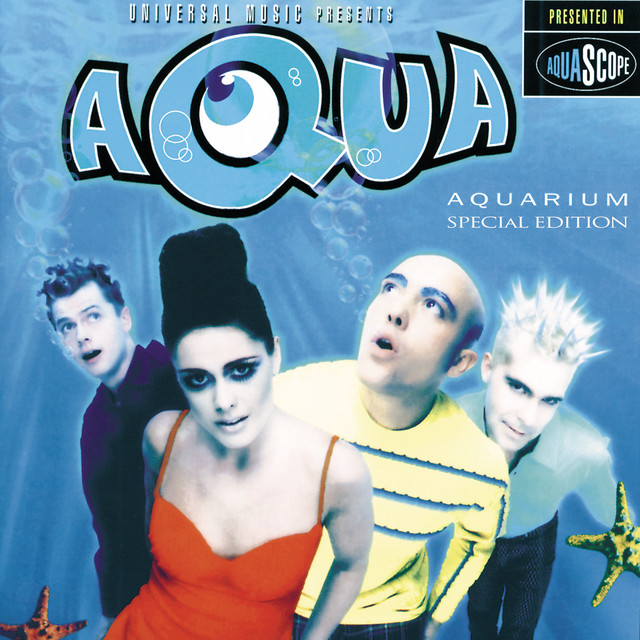
A Clash of Icons
When Aqua released "Barbie Girl" in April 1997, it quickly became a staple of Eurodance music and a ubiquitous pop anthem. The infectious hook and playful lyrics—"I'm a Barbie girl, in a Barbie world"—not only captured the essence of childhood imagination but also made waves in the music industry. However, what many did not anticipate was the legal whirlwind that would follow. Mattel, the owner of the Barbie brand, was not amused.
The Birth of a Controversy
Aqua, a Danish-Norwegian dance-pop group formed in 1995, achieved international fame with their catchy tunes and colorful visuals. "Barbie Girl" was the third single from their debut album, "Aquarium," produced by the duo of Søren Rasted and Claus Norreen. The song's playful take on the Barbie persona—replete with lines like
—was a cheeky celebration of self-expression."You can brush my hair, undress me everywhere"
Despite its playful nature, Mattel filed a lawsuit against Aqua in 2000, claiming that the song infringed on their trademark and portrayed Barbie in a negative light.
The Legal Battle Unfolds
The conflict escalated when Mattel contended that "Barbie Girl" misrepresented their brand, arguing that the song's lyrics and accompanying imagery painted Barbie as a shallow figure. Aqua countered that the song was a parody, protected under the fair use doctrine. The legal tug-of-war culminated in a 2002 court ruling that ultimately favored Aqua, allowing the song to remain in circulation.
The Cultural Impact
This legal drama not only highlights the complexities of intellectual property but also underscores how pop culture can clash with corporate interests. "Barbie Girl" has endured as a cultural icon, with its catchy melody surfacing in various media, including movies and TV shows. It has transcended its initial purpose, becoming a meme and a nostalgic reminder of the late '90s.
"Imagination, life is your creation"
These lyrics resonate with listeners who grew up in the era, offering a sense of freedom and creativity. Aqua's ability to navigate the legal minefield while maintaining their artistic integrity speaks volumes about the power of music to challenge the status quo.
The Aftermath
In the years following the lawsuit, Aqua continued to perform and release music, albeit with varying degrees of success. Meanwhile, Mattel has sought to evolve the Barbie brand, embracing more inclusive representations of femininity. The irony of their legal battle with Aqua lies in how both parties have attempted to redefine what it means to be a 'Barbie' in today's world.
Conclusion: A Lesson in Pop Culture
The Aqua vs. Mattel saga serves as a cautionary tale about the intersection of art and commerce. While Mattel's initial reaction may have seemed justified from a branding perspective, the outcome ultimately allowed Aqua's playful critique of consumer culture to thrive. "Barbie Girl" remains a beloved anthem, reminding us all that creativity can never be fully contained.