The Birth of a Cultural Phenomenon
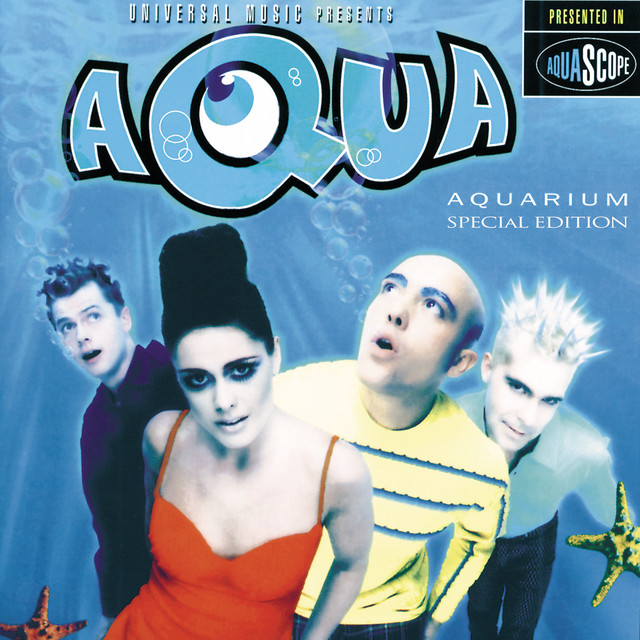
When Aqua released "Barbie Girl" in April 1997, few could have anticipated its impact beyond the dance floor. The song, a bubblegum pop anthem with infectious hooks, became a cultural touchstone that sparked feminist commentary throughout the late '90s. It was part of their debut album, Aquarium, which showcased a lively eurodance vibe, but it was this particular track that catapulted them into international stardom.
Subverting the Icon
At its surface, "Barbie Girl" is a catchy tune that celebrates the fantasy of being a plastic doll—“I'm a Barbie girl, in a Barbie world.” Yet, beneath the glossy veneer lies a complex critique of the unrealistic ideals of femininity that Barbie embodies. The song's playful tone belies a more serious commentary on how women are often pigeonholed into specific roles.
"Life in plastic, it's fantastic!"
The irony here is palpable. By embracing the superficiality of Barbie's world, Aqua simultaneously highlights the absurdity of these gendered expectations. The song became a rallying cry for those questioning the commercialized ideals of beauty and femininity, igniting discussions about how these themes permeate popular culture.
Feminist Voices and Critiques
The late '90s was a time ripe for feminist discourse. With third-wave feminism gaining momentum, "Barbie Girl" provided a unique lens through which women could explore their identities. Critics noted how the song, despite its fun and frivolous nature, opened avenues for discussing women's autonomy and self-perception.
Publications began examining how the song’s playful lyrics allowed for a critique of consumer culture. Feminist writers pointed out that while Barbie represents an idealized version of womanhood, Aqua's irreverent take offers a way to reclaim and redefine femininity.
A Pop Culture Backlash
The backlash against the song was also significant. In 2002, Mattel, the toy company behind Barbie, famously filed a lawsuit against Aqua, claiming the song tarnished the brand's image. This legal battle underscored how deeply intertwined the song's message was with societal views on femininity. It also showcased the power of pop music as a platform for social commentary.
Interesting fact: The lawsuit filed by Mattel against Aqua ended in a dismissal, allowing the song to remain a staple in pop culture.
The Legacy of 'Barbie Girl'
Years later, the influence of "Barbie Girl" remains palpable. Its catchy chorus and playful lyrics continue to be referenced in discussions about gender and representation. The song has transcended its initial success to become a symbol of both empowerment and critique.
As we revisit this track in today’s context, it’s clear that "Barbie Girl" was more than just a novelty hit. It encapsulated the growing awareness of feminist issues and encouraged listeners to question the roles assigned to them by society. In a world still grappling with these themes, Aqua's infectious anthem serves as both a nostalgic reminder of the past and a call to continue the conversation.