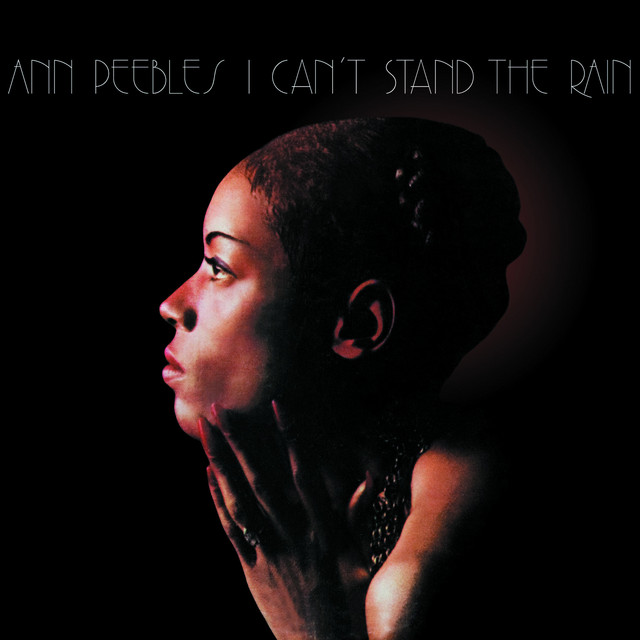
The Sound of Memphis in 1973
When Ann Peebles released "I Can't Stand the Rain" in 1973, it was more than just a song; it was a moment that captured the essence of the Memphis sound. The track, co-written by Peebles, Don Bryant, and Bernard "Bernie" Miller, oozes the soul and grit that defined the city. Produced under the renowned Hi Records, the track showcased not just Peebles' powerful vocals but also a production style that would set the standard for future generations.
A Soulful Anthem
With its unmistakable groove and haunting melody, "I Can't Stand the Rain" became a soulful anthem that spoke to the frustrations of heartbreak and longing. The song's opening lines are a direct invitation into Peebles' emotional world, where the rain becomes a metaphor for tears and sorrow. This was not just music; it was an emotional release for many listeners.
"When the rain starts to pour, I feel so lonely."
These lyrics hit hard, reflecting a universal sentiment that transcends time and place. The pain of loneliness is palpable, and Peebles' delivery makes it all the more relatable. It’s this raw honesty that has allowed the song to endure, influencing countless artists and becoming a staple in the soul and R&B genres.
Memphis: A Cultural Melting Pot
The impact of Peebles' work extends beyond the music itself; it was integral to the cultural fabric of Memphis. In the early '70s, the city was a melting pot of sounds—blues, rock, and soul—all converging in a way that shaped the identities of artists and fans alike. Peebles emerged as a significant figure in this scene, alongside contemporaries like Al Green and Isaac Hayes.
Did you know? Ann Peebles was one of the few female artists signed to Hi Records, a label dominated by male artists during its peak.
The Legacy of 'I Can't Stand the Rain'
The song's influence can be seen in the works of numerous artists who followed. From Erykah Badu to Adele, Peebles' raw emotion and vocal prowess inspired a wave of musicians who sought to capture that same authentic feeling in their own work. The song's timeless quality has allowed it to be covered and sampled throughout the decades, solidifying its place in the canon of American music.
Enduring Relevance
Today, "I Can't Stand the Rain" still resonates, as it taps into themes of love and loss, emotions that remain relevant. Ann Peebles herself, in a recent interview, noted that the song continues to connect with listeners in profound ways, a testament to its universal appeal.
"Sometimes I feel like I'm losing my mind."
In a world where emotions often go unexpressed, Peebles offers a safe space for listeners to confront their feelings. The song's ability to evoke such strong sentiments is a testament to Peebles' artistry and the rich musical legacy of Memphis.
Conclusion: A Memphis Icon
In the end, "I Can't Stand the Rain" is not just a song; it’s a vital piece of Memphis' musical heritage. Ann Peebles' contribution to the soul genre cannot be overstated, and her work continues to inspire both new artists and longtime fans. As the rain falls in Memphis, the echoes of Peebles' voice remind us that we are never truly alone in our struggles.