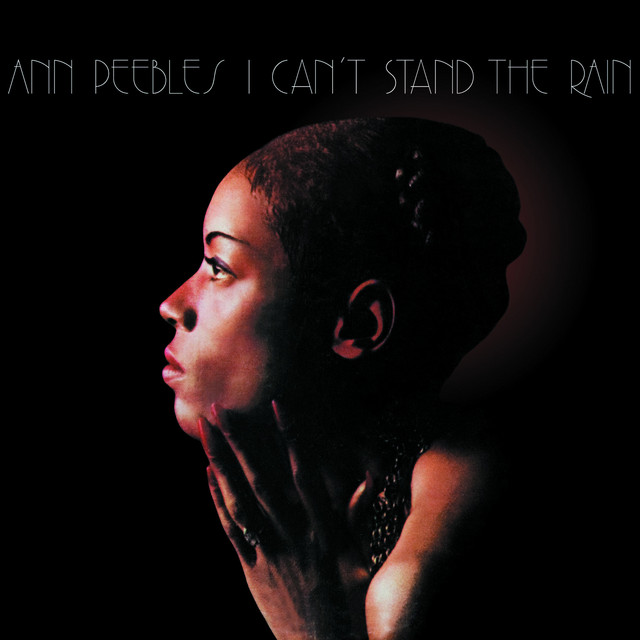
The Birth of a Classic
In 1973, Ann Peebles released 'I Can't Stand the Rain', a track that would not only solidify her place in Southern soul music but also mark a pivotal moment in the genre's evolution. Co-written with her then-husband Don Bryant and Bernard 'Bernie' Miller, the song is featured on her acclaimed album of the same name. Peebles' raw vocal delivery meets a production style that was both innovative and reflective of the era's changing musical landscape.
Production Magic
The production of 'I Can't Stand the Rain' is a masterclass in blending emotional weight with minimalist instrumentation. The use of a simple yet effective arrangement—predominantly featuring a slow, sultry groove—creates a haunting backdrop that perfectly complements Peebles' passionate vocal performance. This approach was revolutionary, steering Southern soul away from the ornate orchestrations that often characterized the genre in the past.
"I can't stand the rain on my window..."
These lyrics not only express deep personal anguish but do so with a level of vulnerability that was groundbreaking for the time. Peebles taps into universal feelings of loneliness and heartache, making the song relatable to a broad audience.
Innovative Techniques
One of the standout features of the production is the use of space and silence. The sparse arrangement allows Peebles' voice to shine without drowning it in excess instrumentation. This method paved the way for future artists to explore more stripped-back sounds in soul music, emphasizing emotional delivery over complex arrangements.
Did you know? 'I Can't Stand the Rain' was later sampled by numerous artists, including Missy Elliott, showcasing its enduring influence.
Cultural Impact
The song's success also played a crucial role in bringing Southern soul to a wider audience, proving that the genre could thrive beyond its regional roots. By embracing a more contemporary sound, Peebles and her collaborators effectively bridged the gap between classic soul and the burgeoning sounds of funk and R&B that dominated the 1970s.
A Lasting Legacy
Today, 'I Can't Stand the Rain' stands as a testament to the power of emotional authenticity in music. It has influenced countless artists across various genres, reinforcing the idea that vulnerability can be a strength. Ann Peebles' ability to convey profound feelings through her music continues to inspire new generations of musicians.
"When I think of you, I just can't stand the rain..."
This line encapsulates the song's essence, illustrating how deeply personal experiences can resonate universally. In a way, Peebles' work has become a blueprint for artists looking to convey their truths.
Conclusion
Ultimately, 'I Can't Stand the Rain' is more than just a song; it's a cultural milestone that revolutionized Southern soul music. Its innovative production techniques, emotional depth, and Peebles' iconic voice came together to create a piece of art that remains relevant and powerful decades later. Ann Peebles didn’t just record a hit; she changed the game.