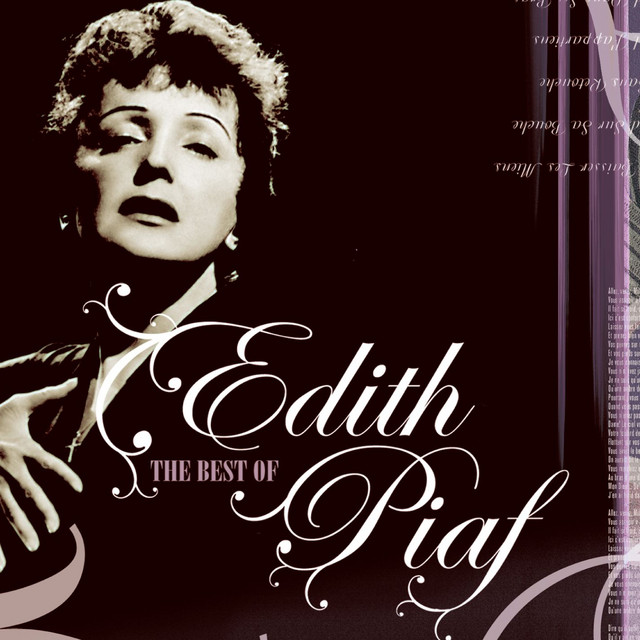
The Birth of a Classic
Written in 1945, Édith Piaf's "La Vie en rose" emerged from the shadows of her tumultuous life, a reflection of both joy and heartache. This iconic song, which translates to 'Life in pink,' became Piaf's signature tune, illuminating the emotional landscape she navigated throughout her existence.
Piaf's Painful Past
Born into poverty in 1915, Piaf's early life was marked by tragedy. Her mother, a street singer, abandoned her, and her father was a soldier who often left her in the care of her grandmother. The rawness of her upbringing fueled her artistry; she knew despair intimately. It’s within this context that "La Vie en rose" takes on a deeper meaning, portraying a longing for love amidst the chaos.
A Love Song Born from Suffering
The song's lyrics paint a vivid picture of love's transformative power. Piaf sings about seeing the world through rose-colored glasses when she is with her lover. In the line,
, she captures that sacred moment where love shields her from the world's harshness."Quand il me prend dans ses bras, il me parle tout bas"
The Allure of Escapism
The post-war period in France was rife with disillusionment, yet Piaf's song offered a form of escapism. The upbeat melody juxtaposed with her haunting vocal delivery creates an enchanting contrast. The listener is drawn into a world where love can triumph over adversity, a sentiment Piaf lived and breathed.
The Biopic Connection
The film "La Vie en Rose," directed by Olivier Dahan and starring Marion Cotillard, provides a glimpse into Piaf's life. Cotillard's portrayal won her an Academy Award, bringing Piaf’s hardships and triumphs back into the public consciousness. The film reintroduced the song to a new generation, emphasizing its lasting impact.
Piaf wrote "La Vie en rose" with composer Louiguy, and it quickly became an emblem of French culture, transcending borders and languages.
A Universal Anthem
As a song that speaks to the experiences of love and loss, "La Vie en rose" resonates on a universal level. Its ability to evoke strong emotions is a testament to Piaf's extraordinary talent. The line,
, encapsulates the essence of vulnerability that defines her music. Piaf's struggles make her expression of love feel authentic, making it easier for listeners to connect their own stories to her words."Et si je l'aimais, il me prend tout"
The Lasting Legacy
Piaf passed away in 1963, but her music, particularly "La Vie en rose," continues to inspire artists and audiences alike. Its themes of love and hope, born from a life of hardship, remind us of the resilience of the human spirit. Piaf transformed her suffering into art, and in doing so, she created a timeless piece that speaks to the heart.