Texas Roots and Blues Heritage
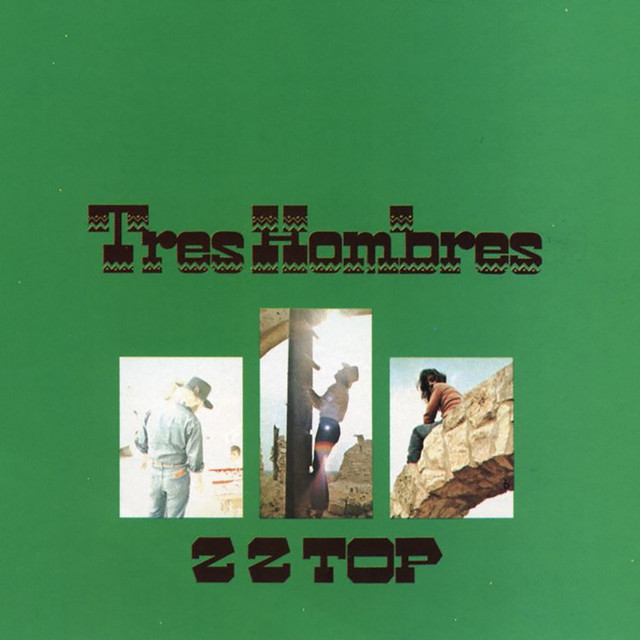
When ZZ Top released "La Grange" in 1973, the track was more than just a boogie rock staple; it was a powerful homage to Texas's rich musical heritage. The song, from their third studio album Tres Hombres, showcases the band’s evolution into a heavier blues sound, all while maintaining their Southern roots.
The iconic opening riff, played by Billy Gibbons, is instantly recognizable. It’s a gritty, rhythmic line that evokes images of dusty roads and the lively spirit of a Texas roadhouse. But the origins of this riff are more layered than one might assume, drawing from a mix of influences that span decades and genres.
Inspiration from the Delta
The riff of "La Grange" has its roots deep in the Delta blues tradition. It mirrors the works of artists like John Lee Hooker, whose raw, hypnotic guitar lines laid the groundwork for generations of musicians. Gibbons himself has cited Hooker as a significant influence, and it’s easy to hear that connection in the way "La Grange" grooves.
"Just let me know if you wanna go, to that home out on the range"
These lyrics hint at the escapism that the song represents, inviting listeners into a world where music and freedom collide. The riff becomes a vehicle for this narrative, driving the song forward with its infectious energy.
Unexpected Connections
Interestingly, the song's lyrical content is partly inspired by a real place: the La Grange, Texas, a town known for its rich history and vibrant culture. This connection adds a layer of authenticity to the track, linking the band’s imagination with their geographical identity.
Did you know? The town of La Grange was popularized by the musical “The Best Little Whorehouse in Texas,” further cementing its status in Texan lore.
However, the riff isn't solely a product of blues. The band drew on a variety of rock influences, including the boogie-woogie style that was prevalent in Texas music at the time. This blend of genres helped to shape ZZ Top's unique sound, allowing them to stand out in a saturated rock landscape.
The Boogie Rock Revolution
The success of "La Grange" was pivotal in establishing the boogie rock genre. Its infectious rhythm and straightforward structure offered a new way for audiences to engage with rock music. Gibbons’s guitar work, combined with Dusty Hill’s solid bass lines and Frank Beard’s driving drumming, creates a synergy that is both tight and energetic.
While many rock songs of the era relied on complex solos and intricate arrangements, ZZ Top embraced a more minimalist approach. This was a deliberate choice, allowing the main riff to shine and giving the audience something to latch onto.
A Lasting Legacy
Decades later, the riff of "La Grange" continues to resonate with musicians and fans alike. Its straightforward yet powerful structure has been the basis for countless covers and adaptations, proving that great music transcends time and genre. Artists across the spectrum, from rock to country, have drawn inspiration from its simplicity and catchiness.
As we explore the origins of this legendary riff, it becomes clear that "La Grange" is not just a song; it’s a cultural artifact, a snapshot of a musical moment that encapsulates the spirit of Texas. ZZ Top's ability to weave together various influences into a cohesive sound is what makes this track endure through the ages.