A Personal Reflection
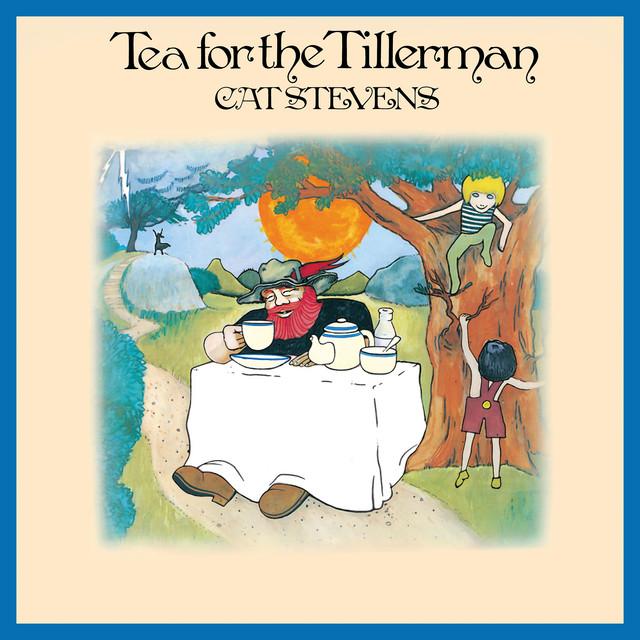
'Wild World,' released in 1970 on the album Tea for the Tillerman, is not just a song; it is a heartfelt expression of Yusuf / Cat Stevens' internal struggles during a tumultuous decade. At a time when his career was skyrocketing, Stevens was grappling with deep personal uncertainties, a theme that reverberates throughout the track.
The Weight of Leaving
The lyrics convey a sense of melancholy and longing, as he addresses a woman who is leaving, mixed with a bittersweet recognition of the challenges the world presents. Lines like
encapsulate that blend of affection and sorrow. The reference to the wildness of the world hints at both the beauty and the unpredictability of life, reflecting the uncertainties he faced in his own journey."Oh baby, it's a wild world"
Contextual Backdrop
Stevens' rise in the music scene of the early 70s was meteoric. Following the success of Tea for the Tillerman, he became a voice of a generation, capturing the essence of the era's emotional landscape. Yet, success brought pressure and existential questions. The song's reflective tone mirrors his own search for identity amidst fame.
Love and Loss
At its core, 'Wild World' is about the bittersweet nature of love and letting go. The lines
reveal Stevens' recognition that surface-level happiness often masks deeper struggles. This sentiment is particularly poignant when considering his personal life, marked by relationships that were often fleeting and complex."It's hard to get by just upon a smile"
Transitioning Identity
In the 1970s, Cat Stevens transitioned from being a pop star to a figure seeking spiritual enlightenment. This shift is subtly reflected in 'Wild World,' where the awareness of life's challenges prompts a desire for something greater. The song's introspective nature foreshadows his eventual transformation into Yusuf Islam, embracing a new identity rooted in spirituality.
Musical Influence
The production of 'Wild World,' helmed by the legendary producer Paul Samwell-Smith, showcases Stevens' signature blend of folk and pop, characterized by gentle melodies and thoughtful lyrics. This musical backdrop enhances the emotional weight of the song, allowing listeners to connect not just with the lyrics but with the raw feelings underlying them.
Legacy and Impact
Today, 'Wild World' remains a timeless classic, resonating with listeners navigating their own wild worlds. Its themes of love, loss, and the search for meaning continue to strike a chord, proving that Stevens' introspection transcends time. As he once sang, the world is indeed wild, and his willingness to confront that chaos has left an indelible mark in music history.
Cat Stevens changed his name to Yusuf Islam in 1978 after converting to Islam, marking a significant shift in his life and career.