From Pain to Power
Wilson Pickett was no stranger to hardship. Born in 1941 in Prattville, Alabama, he faced a turbulent upbringing that would leave a mark on his artistry. The soul singer’s life was punctuated by struggles that ran parallel to the very essence of his music. This is particularly evident in the 1965 classic, 'In the Midnight Hour,' a track that not only propelled him to fame but also served as an outlet for his personal battles.
A Reflection of Reality
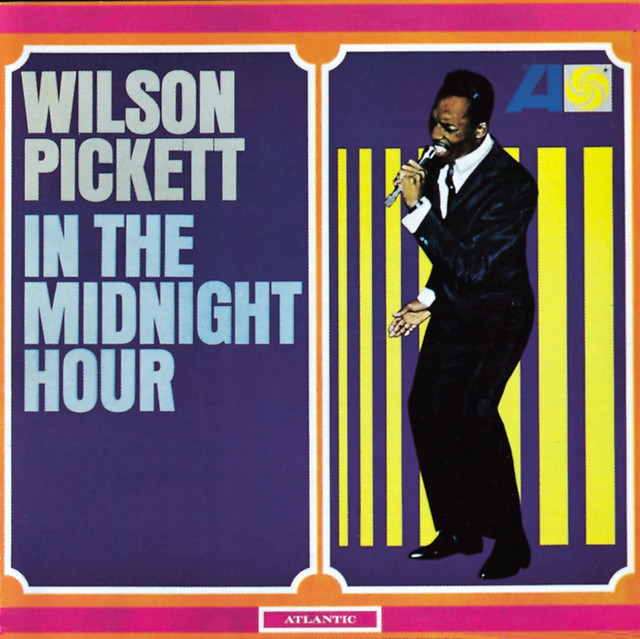
Released on his album of the same name, 'In the Midnight Hour' is a gritty anthem of yearning and desire. It was co-written by Pickett and the legendary Steve Cropper, who was known for his work with Booker T. & the MG's. The song’s raw emotion is reflected in its driving beat and Pickett's signature vocal style, which conveys both desperation and hope.
Pickett’s lyrics are brief yet powerful. The phrase “I'm gonna wait 'til the midnight hour” captures the essence of longing, suggesting a time when he can escape his troubles. The urgency in his voice is palpable, underscoring the weight of his personal life experiences.
"I'm gonna wait 'til the midnight hour / That's when my love comes tumbling down."
These lines hint at a deeper narrative of waiting for love as a source of salvation, something that Pickett desperately craved amidst a backdrop of personal chaos.
The Soul of Struggle
During the 1960s, Pickett was navigating the complexities of fame while dealing with issues such as addiction and the pressures of the music industry. His turbulent lifestyle often mirrored the themes of his songs. The rawness of 'In the Midnight Hour' can be interpreted as a cathartic release for Pickett, who used his art to confront his demons.
The song’s infectious groove, paired with its poignant lyrics, turned it into a dance floor staple. Yet, beneath its upbeat tempo lies a narrative of pain and longing. This duality is what makes 'In the Midnight Hour' a timeless classic — it captures the essence of soul music: a genre born from struggle and resilience.
A Cultural Moment
In the context of 1965, 'In the Midnight Hour' emerged during a pivotal time in American music and society. The civil rights movement was gaining momentum, and soul music became a powerful voice for the African American experience. Pickett’s struggles, both personal and societal, found a resonance in a generation seeking both change and connection.
Did you know? 'In the Midnight Hour' peaked at number 21 on the Billboard Hot 100 and became a defining song of the soul genre, influencing countless artists.
Legacy of a Soul Icon
Wilson Pickett’s legacy is inextricably linked to his ability to channel personal hardship into art. 'In the Midnight Hour' stands as a testament to that talent, showcasing not only his vocal prowess but also his ability to convey raw human emotion. As listeners, we are invited into his world, where the midnight hour becomes a metaphor for both vulnerability and strength.
Ultimately, 'In the Midnight Hour' is more than just a hit song; it is a reflection of Wilson Pickett’s life — an embodiment of struggle, love, and the relentless pursuit of redemption. Through his music, Pickett transformed his pain into an anthem that continues to resonate with audiences today.