A Heavy Metal Critique of Consumerism
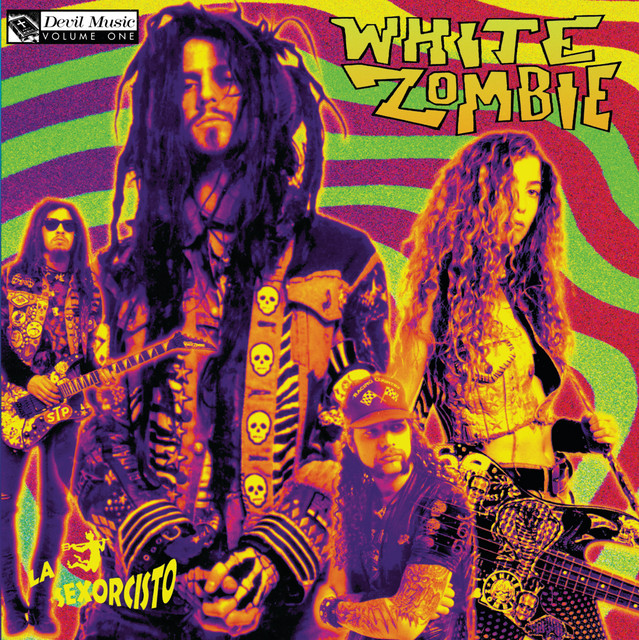
Released in 1992 on the album La Sexorcisto: Devil Music, White Zombie's "Thunder Kiss '65" is more than just a heavy metal anthem; it’s a biting critique of American consumer culture wrapped in a ferocious guitar riff. The song captures the essence of a generation grappling with the hollow promises of the American Dream, all while delivering a sound that screams rebellion.
The Duality of Nostalgia and Disillusionment
The title itself, "Thunder Kiss '65," evokes a nostalgic image of the 1960s, a decade often idealized for its music and counterculture. Yet, as the song unfolds, it reveals a darker underbelly. The lyrics, laced with imagery of cars and speed, underscore a frenetic lifestyle that prioritizes superficial thrills over meaningful connections. The line,
, hints at the commodification of human relationships, reflecting a society that often reduces intimacy to transactions."I wanna be your man, I wanna be your toy"
Violence and Spectacle in Pop Culture
White Zombie's blend of heavy metal and horror movie aesthetic is evident throughout the song. The visceral energy in the music mirrors the chaotic nature of pop culture in the early '90s, where violence and spectacle dominated the media landscape. With lines that invoke images of destruction and chaos, the song acts as a mirror reflecting society’s obsession with the macabre. This is particularly salient given the surge of media violence that was a hallmark of the decade.
The Role of the Outsider
Rob Zombie's vocal delivery is both commanding and disorienting, echoing the sentiments of those who feel alienated in a conformist society. The relentless beats combined with lyrics that scream for attention create an atmosphere of urgency. In the chorus, when he bellows,
, it serves as a battle cry for the disenchanted, an invitation to embrace chaos in the face of a suffocating societal structure."Thunder kiss, thunder kiss, thunder kiss '65"
The Irony of Liberation
While "Thunder Kiss '65" is often celebrated for its raw energy and catchy hooks, the irony lies in its portrayal of liberation through destruction. The more the song celebrates rebellion, the more it reveals the emptiness of that rebellion when it lacks substance. The imagery of cars and speed isn’t just a nod to Americana; it’s a representation of fleeting freedom—an escape that ultimately leads to nowhere.
Legacy and Impact
White Zombie's disbandment in 1998 didn't erase the impact of their music. "Thunder Kiss '65" remains a staple of '90s rock, a reminder of a time when heavy metal was not just about sound but also about message. The song's blend of aggressive instrumentation and sharp social commentary carved a niche that many contemporary artists still strive to replicate.
White Zombie's La Sexorcisto: Devil Music was produced by the band's frontman, Rob Zombie, showcasing their DIY ethos in a mainstream music environment.
Conclusion: Embracing Chaos
"Thunder Kiss '65" stands as a testament to the power of music as social commentary. Beneath its surface lies a critique of consumerism, violence, and the illusion of freedom. In an era where such themes remain relevant, White Zombie's work continues to challenge listeners to confront the chaos of modern life with unflinching honesty.