The Weight of the Pink Triangle
Weezer's "Pink Triangle," from their 1996 album Pinkerton, is a candid exploration of heartbreak that transcends personal pain and touches on broader societal issues. The song's titular symbol, the pink triangle, is steeped in LGBTQ+ history, serving as a powerful reminder of both love and the struggles faced by the community.
Originally used by the Nazis to identify homosexuals in concentration camps, the pink triangle has been reclaimed as a symbol of pride and resistance. In the context of the song, this emblem becomes a poignant metaphor for unrequited love and the isolation that can accompany it. The protagonist grapples with the realization that the object of their affection is not only unattainable but is involved with someone else, leaving them to reflect on their own identity and feelings.
The pink triangle was adopted by LGBTQ+ activists in the 1970s as a symbol of resilience, transforming a symbol of oppression into one of empowerment.
Lyrics and Their Impact
The lyrics of "Pink Triangle" encapsulate this emotional struggle, particularly in lines where the narrator laments,
This stark imagery draws a clear line between the vibrancy of love and the drabness of rejection, suggesting that the beauty of one's identity can often be overshadowed by societal norms and expectations."You’re a pink triangle on a grey background"
As the song unfolds, it becomes evident that the protagonist's grief is not just about lost love but also about the broader context of being part of a marginalized community. This connection adds layers to the song, transforming it from a simple tale of heartache into a commentary on the LGBTQ+ experience.
Weezer's Context in the 90s
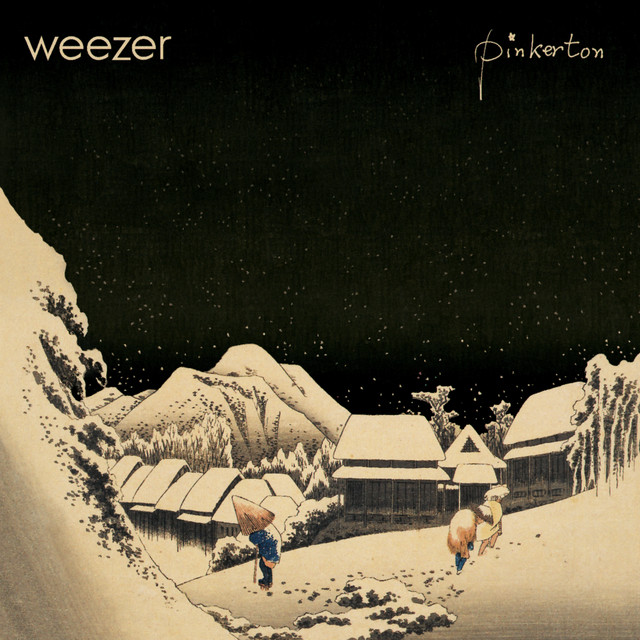
Released as a promotional single in August 1996, "Pink Triangle" came during a pivotal moment for both the band and the LGBTQ+ community. Pinkerton, often seen as a raw and confessional album, reflects the angst and confusion of young adulthood. Produced at Sound City, the album's sound is marked by a lo-fi aesthetic that complements the personal nature of the lyrics.
At the time, the LGBTQ+ community was still grappling with the fallout of the AIDS crisis, which had decimated lives and demanded visibility. Weezer's choice to include a song that directly references a symbol of LGBTQ+ identity was bold, especially during an era when mainstream rock often shied away from such topics.
A Lasting Legacy
"Pink Triangle" stands out in Weezer's discography not just for its catchy melodies but for its unapologetic exploration of LGBTQ+ themes. The band's willingness to engage with these subjects at a time when few were doing so speaks volumes about their artistic integrity. By weaving the pink triangle into the narrative, they invite listeners to confront their own biases and experiences.
This song continues to resonate today, as the pink triangle remains a symbol of pride for many. It serves as a reminder of the ongoing struggles faced by the LGBTQ+ community and the importance of love, acceptance, and visibility.
In recent years, the pink triangle has evolved into a symbol of both remembrance and celebration, utilized in pride marches and campaigns advocating for LGBTQ+ rights.
In essence, "Pink Triangle" is more than just a song about heartbreak. It's a reflection on identity, love, and the societal challenges that persist. Weezer’s choice to embrace such a symbol in their music marks an important moment in rock history, one that continues to inspire and provoke thought within the LGBTQ+ community and beyond.