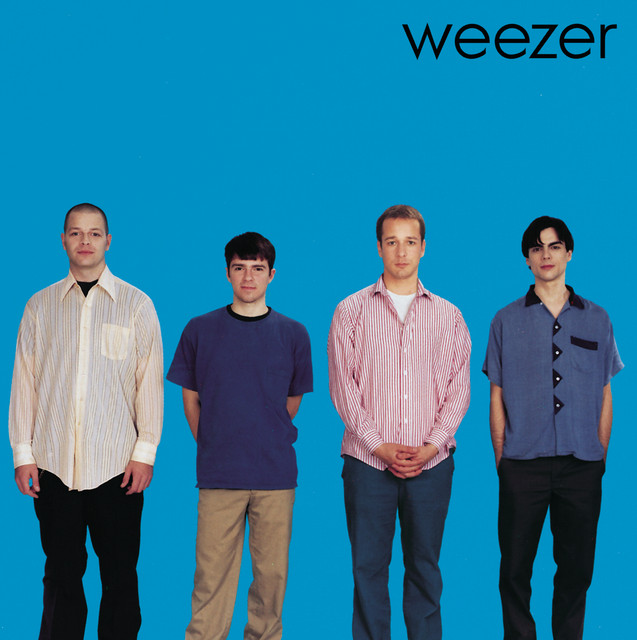
The Spirit of Buddy Holly
When Weezer released their self-titled debut album, commonly referred to as the "Blue Album," in 1994, they not only introduced a fresh sound to the alternative rock scene but also paid homage to one of rock's earliest icons, Buddy Holly. The track "Buddy Holly" stands as a celebration of an artist who, despite his brief life, left an indelible mark on music and culture.
A Reflection of Outsider Status
At its core, "Buddy Holly" taps into the theme of feeling like an outsider. Rivers Cuomo, the band's frontman and primary songwriter, channels Holly's experience as a misunderstood artist through his own lens. The line,
captures a youthful frustration that mirrors Holly's own struggles in the music industry. The playful yet poignant questioning reflects a pastiche of adolescent angst and awkwardness, much like the struggles Holly faced with his image and sound."What's with these homies, dissing my girl?"
Symbolism of the Buddy Holly Persona
Buddy Holly became a symbol of youthful rebellion and creativity, and his signature glasses have even been adopted as a cultural icon. In the song, the lyrics,
echo Holly's unwavering commitment to his art, regardless of outside opinions. This sentiment resonates strongly with Weezer's ethos, as they often navigate the choppy waters of external criticism throughout their career."I don't care what they say, I'm in love with you"
Musical Influence and Innovation
Musically, "Buddy Holly" channels a blend of power pop and punk energy, reminiscent of Holly's own innovative sound. Produced by Ric Ocasek, the song's catchy riffs and crisp production evoke a nostalgic sense of innocence while pushing against the grain of mainstream rock. This mirrors how Holly's music, particularly tracks like "That'll Be the Day," challenged the norms of the 1950s.
Legacy and Continuation
The influence of Buddy Holly stretches far beyond just Weezer. His storytelling and melodic sensibilities continue to inspire countless musicians, but it's Weezer that has woven his legacy into the fabric of their identity. The very act of naming a song after Holly is a declaration of admiration and a preservation of his influence in the modern era.
Buddy Holly was only 22 when he died in a plane crash in 1959, leaving behind a legacy that would inspire generations of musicians.
A Cultural Commentary
"Buddy Holly" serves as more than just a tribute; it's a commentary on the intersection of fame and authenticity. In an age where image often trumps substance, Cuomo's lyrics remind listeners of the importance of staying true to oneself amidst the pressures of societal expectations. The chorus, where he sings about being an outcast, reflects a universal desire to be accepted while remaining genuine.
Conclusion: A Timeless Connection
Ultimately, Weezer's "Buddy Holly" is a bridge between generations. It connects the struggles of a rock and roll pioneer to the insecurities of a 90s youth, creating a timeless narrative that speaks to anyone who feels like they don't quite fit in. As long as music continues to evolve, the echoes of Buddy Holly's influence will resonate, forever captured in the chords of Weezer's anthem.