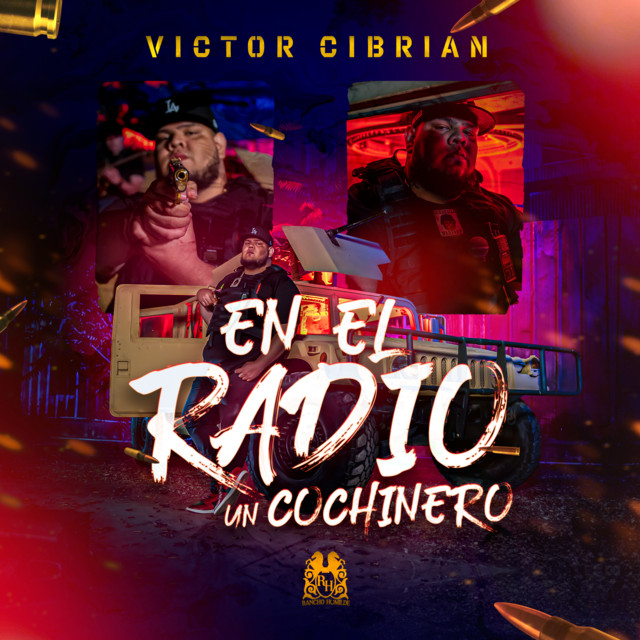
En El Radio Un Cochinero
Summary
"En El Radio Un Cochinero" dives deep into the chaotic and dangerous life surrounding crime and violence. Victor Cibrian paints a vivid picture of fear, survival, and the harsh reality of consequences in a world ruled by laws of the street.
Full Analysis
The song captures the raw intensity of living on the edge. It talks about the constant threat of violence and the mindset that comes with it. Cibrian doesn’t shy away from showing how fear can drive people to act in extreme ways. The imagery is strong, taking you right into the heart of a conflict where survival is everything. It’s a narrative that feels both personal and universal, reflecting on the choices one makes when faced with danger.
Verse 1
Y en el radio un cochinero
Pélate del cantón que a este ya lo torcieron
Y písale al ranflón, que te vienen siguiendo
Se me nubló la mente y me eché un pase en seco
In this verse, Cibrian sets the stage with a sense of urgency. The mention of the radio playing chaotic sounds suggests that trouble is brewing. The advice to "pélate del cantón" indicates a need to escape, hinting at danger lurking nearby. The line about his mind clouding over and taking a "pase en seco" (a hit) shows how people often turn to substances to cope with stress. It’s a clever way to illustrate the mental fog that comes with fear and threat.
Chorus
En el pecho mi cuerno
Me encomendé a San Judas, me empotré un chaleco
Tiro arriba la Glock, nomás temblaba el dedo
The chorus brings us closer to the reality of the protagonist's life. He’s armed and ready, praying for protection from San Judas, a saint known for helping those in trouble. The imagery of holding a Glock while trembling adds a layer of tension. It shows that even those who seem tough can feel fear, especially in life-or-death situations. This mix of bravado and vulnerability makes the chorus hit hard.
Verse 2
Se vino la rafaguera, la lluvia de balas en el vidrio varias impactadas
Me metí en la polvareda y en aquella brecha la Cherokona se les pelaba
No fue necesario el rifle, me les perdí entre las brechas
Y nomás por el desquite, atoré una avioneta llena
In this verse, the action ramps up. The "rafaguera" or burst of gunfire paints a vivid picture of chaos. The protagonist dodges bullets, showcasing quick thinking and survival instincts. The mention of losing the attackers in the dust emphasizes the frantic escape. The last line about taking down a plane adds to the intensity, hinting at revenge and the lengths one might go to settle scores. It’s a stark reminder of the violent world he’s navigating.
Chorus
Hoy estamos los que estamos y mañana, ya que sea lo que Dios quiera
This repetition of the chorus brings a sense of fatalism. The line suggests that life is unpredictable, and what matters is surviving today. There’s a mix of acceptance and resignation here, as he acknowledges the uncertainty of the future. It highlights the harsh reality of living in constant danger, where each day is a gamble.
Verse 3
Conocieron el miedo
Cuando miraron que el cuatro no fue certero
Por ahí supe que varios hasta se escondieron
Ya no bastó el perdón, a su acción se atuvieron
The third verse shifts focus to the enemies. They experience fear when they realize they’re not invincible. This brings a strong contrast as the protagonist reflects on their vulnerability. The mention of hiding shows that even the toughest can be shaken. It’s a powerful reminder that actions have consequences. The idea of forgiveness being off the table adds weight to the narrative, suggesting a cycle of violence that’s hard to break.
Chorus
Un convoy del infierno
Puro cara de trapo, íbamos tras el dedo
Las traiciones se pagan pero con San Pedro
Here, the chorus takes a darker turn. "Convoy del infierno" hints at a dangerous mission, reinforcing the themes of loyalty and betrayal. The "cara de trapo" (face of a rag) suggests that they’re dealing with tough guys, reinforcing the stakes. The mention of betrayal and San Pedro (Saint Peter) implies a reckoning, where actions lead to inevitable consequences. It’s a haunting reminder that revenge is part of this life, and there’s no escape from judgment.
Verse 4
Le caí a la madriguera, donde aquellas lacras con rifles y equipos me esperaban
Se vino la rafaguera, tres balas en el pecho del enemigo me impactaban
Con fuerzas detoné el rifle, anóteme cinco a la cuenta
De esta no pude librarla, cosechas lo que uno siembra
This verse brings the song full circle. The protagonist confronts his enemies directly, emphasizing the inevitability of conflict. The "rafaguera" returns, underscoring the violence that is all too common. The line about counting hits shows a chilling pride in his actions. However, the acknowledgment of not escaping this time adds a layer of reality; it’s a reminder that in this life, every action has a price. The final thought about reaping what one sows reinforces the theme of consequences.
Closing Thoughts
Victor Cibrian’s "En El Radio Un Cochinero" is a powerful narrative about survival in a dangerous world. It captures the intensity of living with fear and the harsh realities of violence. The imagery is gripping, making us feel the weight of every choice. Cibrian effectively reflects on the cycle of crime and consequence, leaving listeners to ponder the cost of such a life. It's a raw, honest look at a world that's both thrilling and terrifying.
Full Lyrics
▼
Pélate del cantón que a este ya lo torcieron
Y písale al ranflón, que te vienen siguiendo
Se me nubló la mente y me eché un pase en seco
En el pecho mi cuerno
Me encomendé a San Judas, me empotré un chaleco
Tiro arriba la Glock, nomás temblaba el dedo
Escuché un derrapón y los miré a lo lejos
Se vino la rafaguera, la lluvia de balas en el vidrio varias impactadas
Me metí en la polvareda y en aquella brecha la Cherokona se les pelaba
No fue necesario el rifle, me les perdí entre las brechas
Y nomás por el desquite, atoré una avioneta llena
Hoy estamos los que estamos y mañana, ya que sea lo que Dios quiera
Y ahí nomás, pa que sepan cómo roza la cadena, viejo
Victor Cibrian
Conocieron el miedo
Cuando miraron que el cuatro no fue certero
Por ahí supe que varios hasta se escondieron
Ya no bastó el perdón, a su acción se atuvieron
Un convoy del infierno
Puro cara de trapo, íbamos tras el dedo
Las traiciones se pagan pero con San Pedro
Quiso encender el fuego y quemados se fueron
Le caí a la madriguera, donde aquellas lacras con rifles y equipos me esperaban
Se vino la rafaguera, tres balas en el pecho del enemigo me impactaban
Con fuerzas detoné el rifle, anóteme cinco a la cuenta
De esta no pude librarla, cosechas lo que uno siembra
Pues para morir nacimos y el que tenga miedo, mejor que no venga