A Cultural Anthem of Struggle
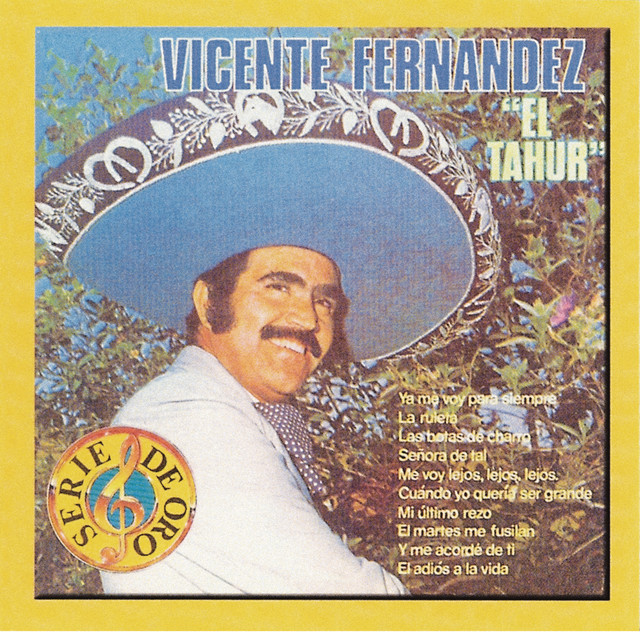
Vicente Fernández's "Las Botas de Charro," from the 1972 album of the same name, is more than just a mariachi ballad; it is a heartfelt commentary on the rural experience in Mexico. The song's title translates to 'The Cowboy Boots,' a symbol of pride, tradition, and the everyday challenges faced by those who live off the land.
The Icon of Charro Boots
The charro boots are not mere footwear; they embody a lifestyle, a culture steeped in history. The opening lines set the tone, as Fernández sings of the boots that signify a deep connection to the land and a way of living that demands resilience. Here, the boots represent both honor and hardship, characteristic of rural life.
"Quiero que me entiendan, no soy un gran charro, / pero mis botas son bien puestas y no me han fallado."
In these lines, Fernández acknowledges his limitations while celebrating the strength of his roots. The boots are a metaphor for perseverance; they have seen struggles and triumphs alike.
Struggles of Rural Existence
Life in rural Mexico is often fraught with economic hardship, social isolation, and the relentless grip of tradition. Fernández's lyrics capture this dichotomy. The song's narrative reflects the pride of the charro while also shedding light on the inner turmoil and the burdens that accompany such a life.
"Las penas que me duelen, no se las puedo contar."
This line speaks volumes about the emotional weight carried by many in rural communities. It hints at an unspoken struggle, a burden that is often too heavy to share, resonating with anyone who has ever felt isolated in their suffering.
Cultural Significance and Legacy
"Las Botas de Charro" is a crucial part of the mariachi genre, which has historically served as a voice for the marginalized and the oppressed. The song not only entertains but also educates listeners about the realities of rural life in Mexico. Fernández, often hailed as the king of ranchera music, uses his platform to elevate these stories, ensuring they are not lost to time.
Interestingly, Vicente Fernández's influence extends beyond music; he is a cultural icon in Mexico, representing the spirit of the charro and the struggles of his people.
The song's enduring popularity speaks to its universal themes. While it may be rooted in the specifics of Mexican culture, the experience of struggle, pride, and resilience is something that transcends borders.
A Connection to Identity
For many, wearing charro boots is a statement of identity, a sign of connection to one’s heritage. Fernández's celebration of these boots is a call to embrace one’s history, despite the hardships that come with it. The narrative in "Las Botas de Charro" encourages listeners to forge ahead, honoring those who came before them while navigating their own paths.
"Estas botas son mi vida, me han visto caer y levantar."
This lyric encapsulates the essence of the song: life is a series of ups and downs, and it’s the journey that defines us. The boots serve as a constant reminder of resilience.
Conclusion
Vicente Fernández's "Las Botas de Charro" stands as a powerful testament to the struggles and triumphs of rural life in Mexico. More than just a song, it is a reflection of cultural identity and the unbreakable spirit of a people. Through its vivid imagery and emotional depth, it continues to resonate with anyone who understands the weight of tradition and the fight for survival.