The Synth Revolution in Rock
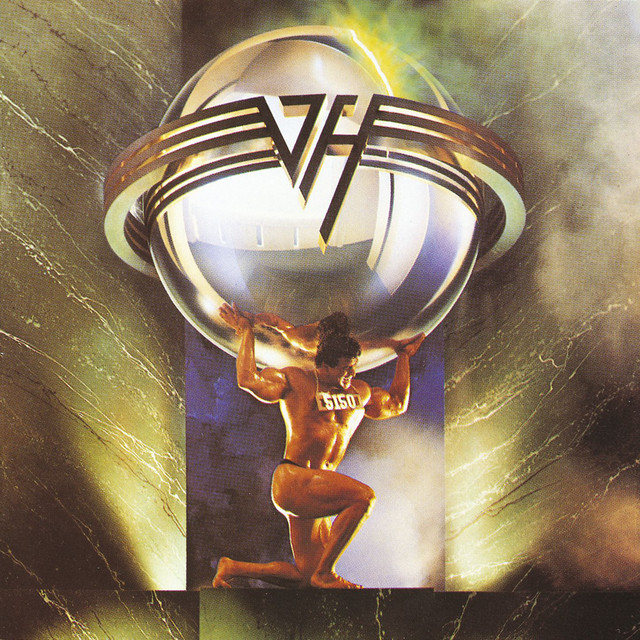
When Van Halen released "Dreams" in May 1986, few anticipated its reliance on synthesizers amidst a hard rock soundscape dominated by guitar-driven anthems. The track, part of the album 5150, marked a significant shift for a band known for its blistering guitar solos and energetic performances. Here, it was not just Eddie Van Halen’s guitar work that captured attention, but the lush layers of synthesizers that defined the song's atmosphere.
From Guitars to Keys
Produced by Bruce Fairbairn, "Dreams" stands out not only for its catchy chorus but for its intricate use of keyboards and synthesizers, which were gaining traction in the rock genre during the mid-'80s. This was a bold step for Van Halen, a band that had built its reputation on Eddie's virtuosic guitar riffs. The synthesizer's presence is palpable, underpinning the entire arrangement, creating a sound that was both polished and ethereal.
"I can’t stop the way I feel / It’s so real, it’s so real"
These lines evoke a sense of urgency and authenticity, but they are elevated by the synth layers that swell and recede, giving the listener a feeling of soaring above the mundane. The song’s production choices reveal an emotional depth that contrasts with the band's earlier work, showcasing a maturity that would be further explored in their subsequent releases.
Challenging Rock Norms
In the context of the 1980s rock scene, the embrace of synthesizers was often met with skepticism from purists, who saw it as a departure from the raw energy that defined the genre. Yet, Van Halen managed to integrate these elements seamlessly. The synth lines in "Dreams" provide a backdrop that enhances the lyrical themes of aspiration and hope, distinctly setting it apart from their previous hits.
Interestingly, "Dreams" was the second single from the 5150 album, which was the first to feature Sammy Hagar on vocals after David Lee Roth's departure.
A Blueprint for the Future
The success of "Dreams" paved the way for later tracks like "Right Now" from the 1991 album For Unlawful Carnal Knowledge, where the synthesizer once again took center stage. Eddie Van Halen’s assertion that "the instrumental is the most important part of a song" speaks volumes about the band's evolving philosophy. The synths that populated "Dreams" not only defined that moment but also set a precedent for future rock compositions, showcasing how technology could enhance rather than dilute the genre.
Legacy of 'Dreams'
Ultimately, "Dreams" is a testament to Van Halen’s willingness to push boundaries. The song's synthesis of rock and electronic elements illustrates a pivotal moment in the band's career, one that challenged the norms of rock music and embraced innovation. As the '80s rolled forward, Van Halen became emblematic of a generation that was not afraid to explore new sonic territories.
As the synths swell in the chorus, they serve not just as a backdrop but as a pivotal instrument, signaling a future where rock would become increasingly intertwined with electronic music. In a world where genre lines continue to blur, Van Halen's "Dreams" remains a powerful reminder of the possibilities that lie within the unexpected.