Political Roots and Personal Inspirations
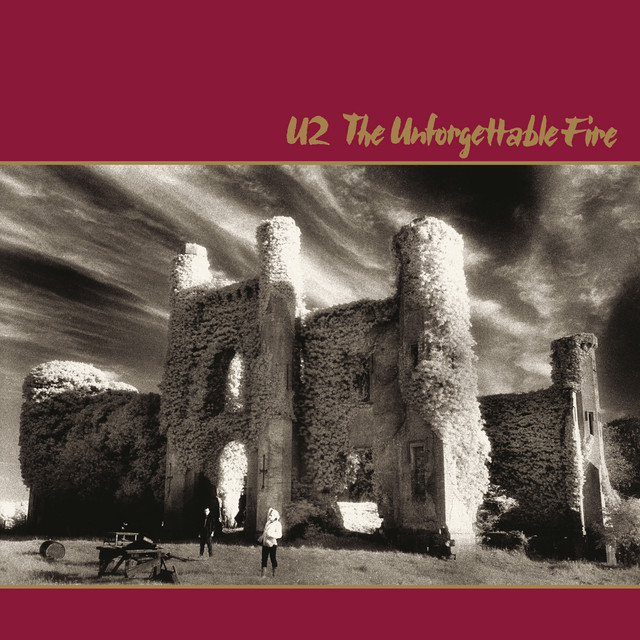
Released in 1984 as part of their album The Unforgettable Fire, U2's "Pride (In The Name Of Love)" stands as a monumental anthem that pays homage to Martin Luther King Jr. It emerged from a period when the band was grappling with their identity as artists and activists, paving the way for what would be their first overtly political album.
The song’s creation coincided with U2's exploration of social issues, a theme that had already been hinted at in tracks like "Sunday Bloody Sunday" and "New Year’s Day." Producer Brian Eno played a crucial role in steering U2 towards a more politically charged sound, and "Pride" became a centerpiece of that vision.
A Tribute Veiled in Hope
At first listen, the lyrics radiate a sense of reverence for King’s legacy, but they also reflect the complexities of his life and tragic death. The line,
speaks to the duality of King’s message of peace and the violence that ultimately silenced him. This ambiguity serves to elevate the song from mere tribute to a profound commentary on the struggle for justice."In the name of love, what more in the name of love?"
The lyric encapsulates the idea that love can be both a powerful motivator and a source of vulnerability. U2 underscores that King’s fight for civil rights was fueled by love, yet it came at a heavy cost. The juxtaposition between hope and despair is a recurring theme in U2’s discography, and here it finds a particularly poignant expression.
Contextual Resonance
Composed during the early 1980s, a time rife with social unrest, U2's decision to honor King was also a reflection of their own political awakening. The band was influenced by the civil rights movement, which resonated deeply with the socio-political climate of their native Ireland. The struggles for peace in Northern Ireland and the broader fight against oppression informed their artistry.
Interestingly, U2 performed "Pride" at a concert in 1986 marking the 20th anniversary of King’s assassination, solidifying its status as an anthem for social justice.
A Lasting Impact
The remastered version of "Pride (In The Name Of Love)" in 2009 reintroduced the song to a new generation, reminding listeners of King’s enduring message. The production quality enhances the emotional weight of the song, making the lyrics feel even more relevant in today’s climate of social change and activism.
U2's ability to weave personal and political narratives is what sets them apart. "Pride" is not just a song; it’s a call to action, urging the listener to reflect on their own role in the ongoing fight for equality. The line
becomes a question that invites introspection, challenging us to consider how we uphold the ideals that King fought for."In the name of love, what more in the name of love?"
The Legacy of 'Pride'
Ultimately, "Pride (In The Name Of Love)" transcends its time and place, serving as a reminder that the quest for justice and equality is a continual journey. U2’s homage to Martin Luther King Jr. is not merely a historical nod; it’s a living testament to the power of music as a vehicle for change.
As we reflect on the impact of this song, it becomes clear that U2’s artistry is deeply intertwined with their activism. By honoring King, they remind us that love and justice are inseparable, urging us to carry the torch forward.