The Birth of a Classic
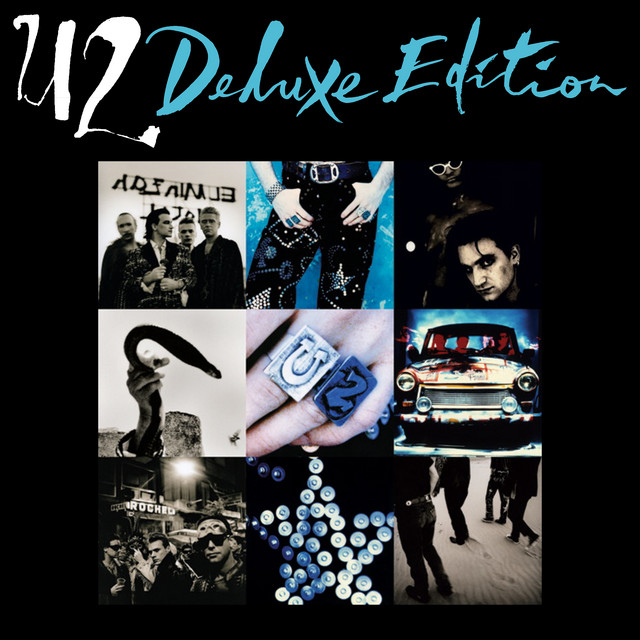
Released in 1991 as part of U2's acclaimed album Achtung Baby, 'One' emerged from a tumultuous period for the band. The song, which was a product of their struggle to find cohesion during the recording sessions in Berlin, captures a sense of urgent vulnerability.
The haunting melody and heartfelt lyrics have led 'One' to transcend its initial context, morphing into a universal symbol of solidarity. This is especially true in the LGBTQ+ community, where the song's themes of love, struggle, and acceptance resonate profoundly.
The LGBTQ+ Connection
At its core, 'One' is about connection amidst division. This message has been embraced by activists and advocates within the LGBTQ+ rights movement. The line “We’re one, but we’re not the same” speaks directly to the struggles of individuals finding common ground while still embracing their unique identities.
"We’re one, but we’re not the same; we get to carry each other"
This lyric has become a rallying cry, emphasizing that while each person's journey is different, the fight for equality binds everyone together. This sentiment is particularly poignant in a world that often seeks to divide.
Activism and Impact
U2’s frontman, Bono, has long used his platform to advocate for various social issues, including LGBTQ+ rights. The band has performed 'One' at numerous pride events and LGBTQ+ benefit concerts, amplifying its message of unity. In 2016, during a concert in Dublin, Bono dedicated the song to those who had lost their lives in the pulse nightclub shooting, making the connection between the song's message and the ongoing fight for LGBTQ+ rights explicit.
U2 has supported LGBTQ+ rights since the early ‘90s, often speaking out against discrimination and advocating for equality.
A Timeless Anthem
As societal attitudes toward LGBTQ+ rights have evolved, 'One' has remained a relevant anthem. Its message of togetherness resonates against the backdrop of ongoing struggles for equality, especially in places where LGBTQ+ rights are still under threat. The song's ability to adapt to different contexts speaks to its power.
Moreover, during Pride Month, it is common to hear 'One' echoing at celebrations around the world. The song’s legacy as an anthem of love and acceptance has solidified its place in the cultural lexicon of the LGBTQ+ movement.
Conclusion
U2's 'One' is more than just a song; it is a testament to the enduring fight for unity and acceptance. By embracing its message, the LGBTQ+ community has woven 'One' into the fabric of their struggle for rights and recognition. In a world that often feels divided, U2’s rallying cry for love and understanding offers a beacon of hope.