The Heart of Chicago Blues
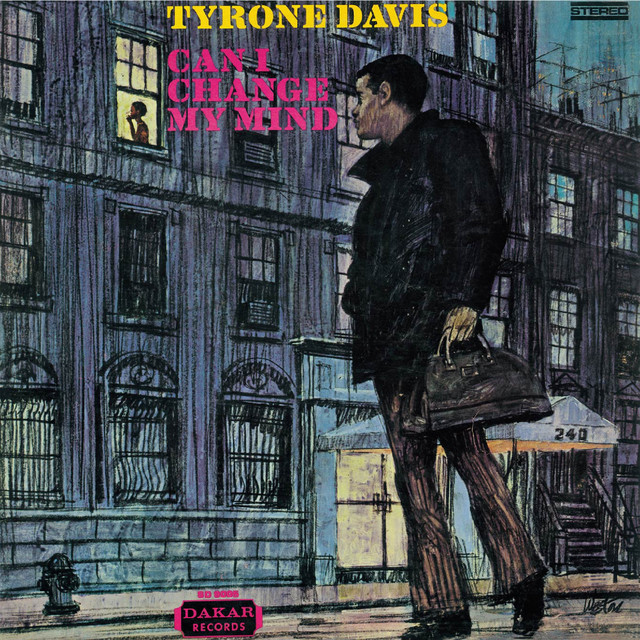
Released in 1968, Tyrone Davis’s debut single “Can I Change My Mind” stands as a defining moment in soul music, intertwining the rich, emotive quality of the Chicago blues with the smooth rhythms of soul. This track, produced by the legendary Willie Henderson, not only topped the Billboard Hot R&B Singles chart but also set the tone for Davis's illustrious career, which spanned more than two decades.
Instrumentation that Speaks
The soulful instrumentation of “Can I Change My Mind” is a masterclass in emotional depth. The lush strings and gentle horns create an atmosphere that is both intimate and expansive. This sound is a direct descendant of the Chicago blues tradition, where musicians like Muddy Waters and Howlin' Wolf laid the groundwork for a style that emphasizes feeling over technique.
Henderson’s arrangement pulls heavily from the blues, where every note feels like a confession. The horns swell and recede like waves, supporting Davis’s yearning vocals. This is not just a backdrop; it’s a conversation that enhances the narrative of a man grappling with regret and desire.
The Lyrics and Their Emotional Weight
Davis’s voice carries the weight of vulnerability, especially when he sings,
This lyric perfectly encapsulates the essence of the song's theme: a longing for reconciliation and a desire to reverse the mistakes of the past. The instrumentation amplifies this sentiment, making the listener feel every ounce of sorrow."Can I change my mind, I just want to change my mind."
Roots in the Chicago Blues Scene
The Chicago blues scene was characterized by its electric guitar riffs and heartfelt storytelling. Davis's sound, while undeniably soul, is deeply rooted in this tradition. The way he phrases his lines, almost as if he’s speaking directly to the listener, mirrors the storytelling techniques of blues legends.
Tracks like “Can I Change My Mind” showcase Davis's ability to blend soul and blues seamlessly. This hybrid sound is not just a product of his artistry; it reflects a broader cultural moment where genres were not as rigidly defined, allowing for a rich exchange of influences.
A Lasting Legacy
Davis went on to have multiple number-one hits, but “Can I Change My Mind” remains a standout. It captures a time when soul music was at the forefront of cultural change, and artists were finding new ways to express the complexities of love and loss. The song is a reminder of the emotional power that music can wield, especially when steeped in the traditions of the past.
Why It Matters Today
As contemporary artists draw inspiration from classic soul and blues, the legacy of Tyrone Davis and his groundbreaking hit becomes more relevant. The heartfelt instrumentation and raw emotionality of “Can I Change My Mind” continue to inspire new generations, proving that the essence of Chicago blues is alive and well.
Interesting fact: Tyrone Davis was one of the first artists to merge the Chicago blues sound with soul, paving the way for future musicians in the genre.