Southern Gothic Echoes in Modern Country
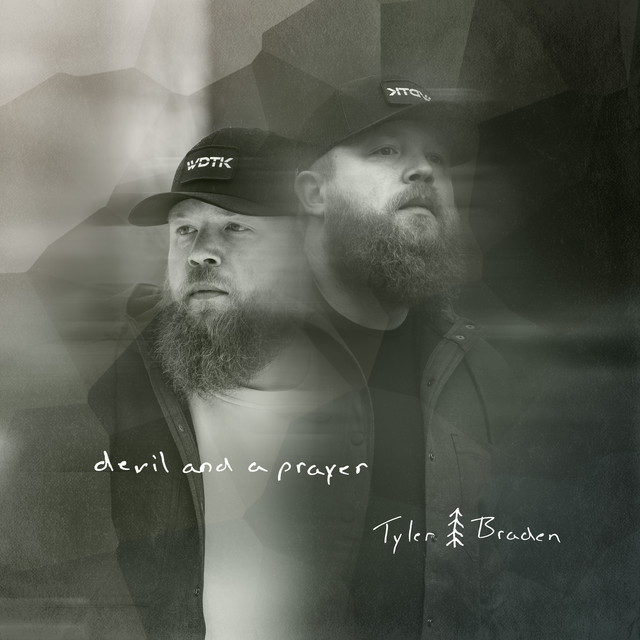
Tyler Braden's "DEVIL YOU KNOW," released on February 21, 2025, serves as a striking entry into the country music canon, merging contemporary soundscapes with rich, evocative imagery that harkens back to the Southern Gothic tradition. This genre, known for its focus on decay, moral ambiguity, and the grotesque aspects of Southern life, finds a curious ally in Braden's lyrics. The song is part of his debut album, Devil and a Prayer, showcasing his knack for storytelling.
Imagery That Haunts
The opening lines of "DEVIL YOU KNOW" set a tone that feels both familiar and unsettling. Braden paints a picture of a world where personal demons lurk in the shadows, echoing the themes of Southern Gothic literature. The imagery is not merely decorative; it serves as a vessel for deeper emotional truths. Lines about haunted memories and the weight of past choices pull listeners into a narrative reminiscent of Flannery O'Connor's characters, who often grapple with their own moral failings amid a backdrop of decay.
"I know the devil you know, he's got a hold on me..."
This lyric encapsulates the struggle between the familiar and the unknown, a hallmark of Southern Gothic tales. Braden's devil isn't just a supernatural entity; it's a personal struggle, reflecting how demons often manifest in daily life. The intermingling of personal and universal themes makes the song relatable while retaining that Southern Gothic flare.
The Southern Landscape
Braden's upbringing in Slapout, Alabama, undoubtedly influences his songwriting. The Southern Gothic tradition thrives on the landscape's haunting beauty, and Braden leverages this in "DEVIL YOU KNOW." The imagery he employs evokes the rural South, with its dilapidated barns and overgrown fields serving as metaphors for internal conflict. Such descriptions are not just settings; they are characters in their own right, bearing witness to the struggles of those who inhabit them.
Tyler Braden's nuanced storytelling has garnered attention, with comparisons to artists like Chris Stapleton and Kacey Musgraves.
Complex Characters
Much like Southern Gothic authors who create flawed, complex characters, Braden's lyrics invite listeners to empathize with their struggles. He doesn't shy away from depicting the darker sides of humanity, which adds depth to his narrative. The line about making peace with one's demons is a classic Southern trope, suggesting a resignation to fate that feels both tragic and beautiful.
"Sometimes the devil's the easy part, it's the truth that's hard to face..."
This line resonates as an acknowledgment of the human condition—a struggle that spans beyond the South yet finds its voice in its rich literary heritage. Braden's ability to intertwine personal experience with broader thematic elements makes the song a compelling study of Southern identity.
A Modern Interpretation
While many contemporary country artists lean towards polished production and vague themes, Braden embraces the rawness that comes with Southern Gothic storytelling. His vivid imagery and emotional honesty provide a refreshing contrast, reminding us of the genre's roots. In "DEVIL YOU KNOW," he revives the tradition, making it relevant for today's listeners.
Conclusion: A New Southern Voice
Tyler Braden's "DEVIL YOU KNOW" stands as a testament to the power of imagery in music, particularly as it relates to the Southern Gothic literary tradition. By embracing the haunting beauty and moral complexity characteristic of this genre, Braden positions himself as a modern voice in a long lineage of Southern storytellers. As listeners, we are drawn into his world, where the past, present, and our own demons collide in a beautifully unsettling harmony.