The Birth of an Anthem
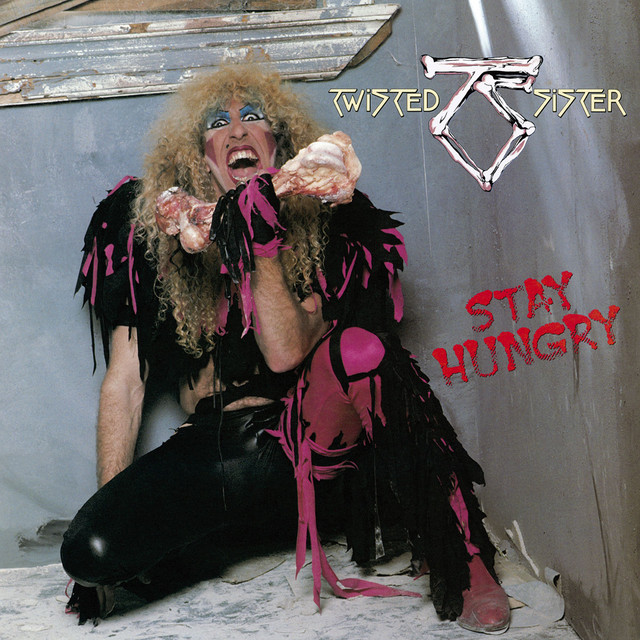
Released in 1984 as part of their album Stay Hungry, Twisted Sister's "We're Not Gonna Take It" quickly became a rallying cry for those fed up with authority. The song, driven by its catchy chorus and rebellious spirit, was more than just a heavy metal track; it transformed into an anthem for youth disillusionment. Yet, its origins are as surprising as its impact.
Behind the Music Video
The music video, which features a schoolboy rebelling against oppressive authority figures, was directed by Marty Callner. What might seem like a straightforward narrative of teenage rebellion was, in fact, inspired by a more complex backdrop. Callner, who had previously worked with the band on their earlier videos, wanted to craft a visual story that resonated with the themes of the song. The exaggerated portrayal of a tyrannical father and a school principal was a nod to the band's own experiences with authority.
Interestingly, the video was filmed in a single day, showcasing the band’s high-energy performance style while emphasizing the thematic elements of rebellion and defiance.
From Local Bars to Global Stages
Before the song's massive success, Twisted Sister was a staple in the New York club scene, playing in bars where the metal scene was just beginning to flourish. The band’s frontman, Dee Snider, wrote the song as a response to his own frustrations with societal pressures and the constraints imposed by adults. His lyrics reflect a universal sentiment:
This line became a rallying point for a generation eager to reject the status quo."We’re not gonna take it, no, we ain’t gonna take it!"
A Cultural Phenomenon
The music video aired on MTV, which was still in its infancy, and the combination of catchy hooks and striking visuals helped catapult the song into the mainstream. The imagery of a young boy standing up to his father resonated with viewers, and the band’s glam-rock aesthetic made it visually appealing. The video has since become iconic, often referenced in discussions of 80s music and culture.
Legacy and Influence
Even decades later, "We're Not Gonna Take It" has remained relevant. It has been adopted by various movements and protests around the world, symbolizing resistance against oppression. The song’s power lies not just in its catchy melody, but in its ability to galvanize individuals into action. Snider himself has said that the song was meant to be a declaration of independence, a sentiment that continues to resonate today.
In 2021, the song celebrated its 37th anniversary, with Twisted Sister's influence still palpable in modern rock and metal genres.
The Unexpected Roots
What’s particularly interesting is how the song was initially viewed within the industry. At the time, heavy metal was often dismissed as a novelty, yet "We're Not Gonna Take It" challenged that perception. It wasn't merely a song; it was a cultural statement that transcended music. Snider's ability to blend humor with a serious message was not only clever but also pivotal in reshaping how heavy metal was perceived.
Conclusion
The surprising origins of "We're Not Gonna Take It" paint a picture of a band that was more than just a bunch of musicians—they were voice for a generation. Through their defiance and sheer audacity, Twisted Sister created a song that continues to inspire rebellion against conformity. As we celebrate its legacy, it's evident that this anthem of defiance will remain timeless.