Defiance in Melody
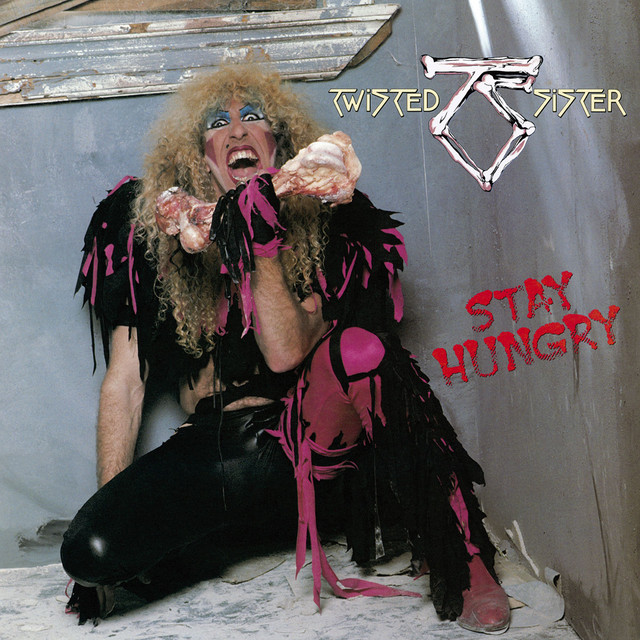
Released in 1984 on the album Stay Hungry, Twisted Sister's "I Wanna Rock" became more than just a hard rock anthem; it was a rallying cry for a generation. With its infectious chorus and Dee Snider's unmistakable vocals, the song captured the essence of youthful rebellion against authority. The accompanying music video, drenched in 80s aesthetic, showcased the band in their glam metal garb, challenging the status quo with every power chord.
The Power of Visuals
The music video for "I Wanna Rock" played a crucial role in amplifying its message. Directed by the legendary Marty Callner, it features a quintessential classroom scene where a young student is reprimanded by a teacher. As the boy defiantly exclaims, "I wanna rock!", the visuals transform into a celebration of pure rock energy. This scene resonated with many young viewers who felt trapped within rigid educational and societal structures.
Youth Empowerment
In a decade rife with cultural upheaval, "I Wanna Rock" served as an anthem for those yearning for freedom and expression. The lyrics, particularly the line,
, encapsulated the desire for independence and the rejection of conformity. This direct call to action inspired countless youths to embrace their individuality, making the song an essential part of 80s youth culture."I wanna rock! I want to rock!"
Musical Roots
Musically, Twisted Sister blended heavy metal with glam rock, creating a sound that was both aggressive and accessible. Produced by Tom Werman, Stay Hungry featured a polished production that was characteristic of the era. The infectious hooks and catchy melodies of "I Wanna Rock" set it apart from the more serious tones of other metal bands, allowing it to reach a broader audience.
Legacy and Impact
The influence of "I Wanna Rock" extends beyond its initial release. It became a staple at concerts and events, often played to ignite a sense of camaraderie among fans. The song's emotive power and Snider's larger-than-life persona helped solidify Twisted Sister's place in rock history, making them icons of the 80s music scene.
A Cultural Touchstone
Years later, the song remains a cultural touchstone. It has been featured in various films, TV shows, and commercials, proving the timeless appeal of its message. The spirit of rebellion that "I Wanna Rock" encapsulated is still relevant, inspiring new generations to challenge norms and express themselves.
Interesting fact: Dee Snider famously defended heavy metal music in Senate hearings during the 1980s, solidifying his role as an advocate for artistic freedom.
A Reflection of the Time
Ultimately, "I Wanna Rock" was more than just a song; it was a reflection of the struggles and aspirations of 80s youth. In an era defined by excess and rebellion, Twisted Sister provided a voice for those who dared to dream beyond the confines of societal expectations. Today, its legacy continues to encourage individuality and self-expression, reminding us that the desire to rock is a universal sentiment.