The Genesis of 'Hold the Line'
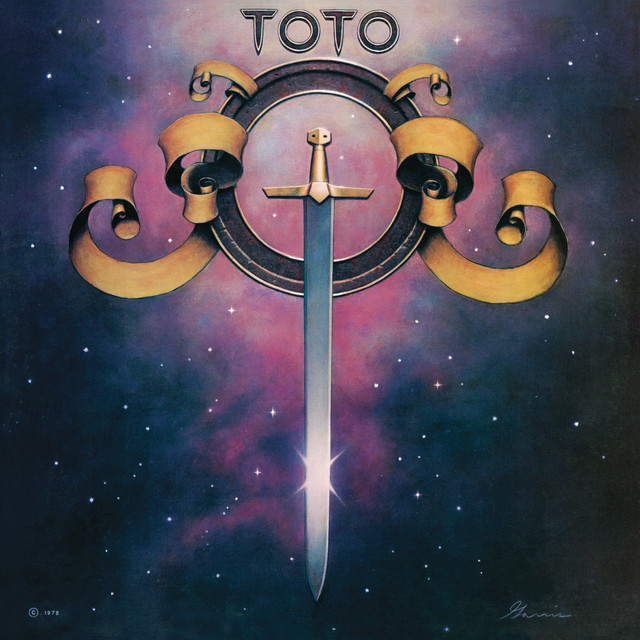
'Hold the Line' marked a pivotal moment for Toto, emerging from their self-titled debut album in 1978. Written by keyboardist David Paich, the track encapsulates the band’s signature style—a blend of rock, pop, and jazz influences that would define their sound. The infectious groove and memorable chorus quickly established it as a staple of the late '70s music scene.
Danceable Rock: A New Wave
The track's appeal lies in its danceable rhythm, a rare quality for rock music at the time. Critics noted how 'Hold the Line' seamlessly combined catchy melodies with a driving beat, creating a sound that was both accessible and sophisticated. Paich's keyboard work plays a crucial role, layering synths and piano over a robust guitar riff that keeps the listener engaged.
"You know you’re never gonna be alone"
This lyric not only reinforces the song's themes of connection and perseverance but also reflects the era's growing emphasis on emotional honesty in rock music. The juxtaposition of the upbeat sound with introspective lyrics was a hallmark of Toto's approach.
Influences: The Sound of the '70s
'Hold the Line' showcases eclectic influences that reflect the diverse musical landscape of the late '70s. The band, comprised of seasoned session musicians, drew from their experiences working with a variety of artists. The smooth harmonies hint at the West Coast rock vibe, reminiscent of bands like Fleetwood Mac and the Eagles.
Interestingly, music critic Bob Yagle compared 'Hold the Line' to Walter Egan's 'Magnet and Steel,' noting the similar melodic sensibilities that made both tracks radio-friendly hits.
The incorporation of jazz elements is particularly pronounced in the song's bridge, where syncopated rhythms and sophisticated chord progressions create a moment of tension before the chorus bursts back in. This sophistication is a testament to the band's musical prowess and their ability to craft songs that stand the test of time.
Production and Legacy
Produced by the legendary Gus Dudgeon, known for his work with Elton John, 'Hold the Line' benefited from a polished studio sound that was becoming increasingly popular. The clarity of the production allowed each instrument to shine, from Jeff Porcaro's tight drumming to Steve Lukather’s sharp guitar work. This attention to detail set a new standard for rock production.
"Hold the line, love isn’t always on time"
This line captures the ethos of the song, balancing the urgency of love with the reality of timing in relationships. It’s this kind of lyrical depth that elevates 'Hold the Line' beyond mere catchy pop-rock.
The Enduring Appeal of 'Hold the Line'
Over four decades later, 'Hold the Line' remains a quintessential example of Toto’s ability to blend genres and create songs that are both commercially successful and artistically rich. The track is not just a relic of its time; it continues to resonate with new generations, frequently featured in movies, commercials, and covers.
As musical influences evolve, the timeless quality of 'Hold the Line' is a reminder of the craftsmanship that defined the era. Toto’s ability to merge rock with pop sensibilities while maintaining artistic integrity is a legacy that endures in the hearts of music lovers worldwide.