The Badman Persona
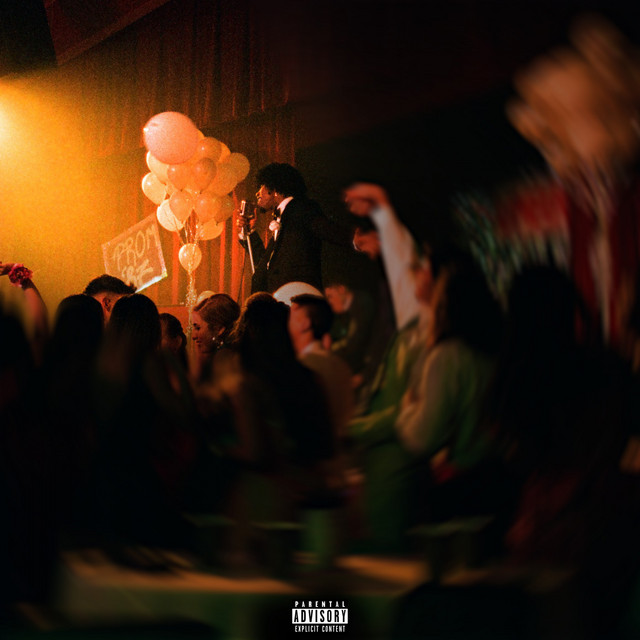
When Tory Lanez dropped "Ballad of a Badman" as a single from his 2021 album Alone at Prom, it marked a significant turn in his public persona. The track is a bold declaration, intertwining bravado with vulnerability, and it serves as a mirror reflecting the tumultuous reputation Lanez has crafted over the years.
Lanez's career has been punctuated by controversy, from his legal battles to public altercations. In a landscape where authenticity is currency, "Ballad of a Badman" positions him as both a villain and a reluctant anti-hero. The lyrics, which are laced with confidence and self-awareness, suggest a man wrestling with his choices while embracing the darkness that surrounds him.
"Ballad of a Badman" was produced by Tory Lanez himself, showcasing his multi-faceted talent as both an artist and a producer.
Confronting the Past
On this track, Lanez reflects on his life choices with lines that echo the regret of a man who knows he has strayed far from the path of righteousness. The opening lines set the tone:
This honesty is refreshing in a genre often dominated by bravado. It acknowledges his flaws while simultaneously celebrating his survival in a hostile environment."I ain't proud of the shit I did, but I did it, though."
The song's hook is infectious, yet it carries an undercurrent of sorrow. Lanez's delivery is both haunting and commanding, a contradiction that mirrors his own life. He has often been perceived as a villain, but here he humanizes himself, allowing listeners to see the complexity behind the headlines.
Cultural Context and Impact
As Lanez navigates the fallout from his past actions, particularly the highly publicized incident with Megan Thee Stallion, "Ballad of a Badman" serves as a form of artistic redemption. The track is not just about bravado; it’s a commentary on accountability. Lines like
imply a struggle with mortality and consequence, suggesting that he understands the stakes involved in his lifestyle."They say the good die young, but I’m still here, though."
This song arrives at a pivotal moment in hip-hop, where artists like Lanez are increasingly scrutinized. The genre is shifting towards a space that demands vulnerability alongside toughness. Lanez’s willingness to confront his demons in "Ballad of a Badman" positions him as a more relatable figure—a badman who is aware of his flaws and ready to face them head-on.
The Duality of Tory Lanez
The duality in Lanez's persona is further emphasized through his lyrical choices. He alternates between self-aggrandizing tales of success and moments of introspection that reveal a man grappling with his reputation. At one point, he raps about the consequences of his actions, subtly acknowledging his critics:
This acknowledgment of his audience’s disdain is a clever nod to the nature of fame—it’s as much about how one navigates the negative as it is about celebrating the positive."You love to hate me, but you watch me rise."
In a post-#MeToo era, where artists are held accountable for their behavior more than ever, Lanez's approach in "Ballad of a Badman" feels like an attempt to reclaim his narrative. He’s not just a badman; he’s a flawed individual who’s aware of his shortcomings. This self-awareness could prove pivotal in reshaping his public image moving forward.
Conclusion: A New Chapter
Ultimately, "Ballad of a Badman" is more than just a song; it’s a declaration of intent. Tory Lanez is not merely a rapper living up to a badman image; he is an artist seeking to redefine that image amid chaos. This track encapsulates a broader journey of self-discovery and acceptance, even in the face of public condemnation. Whether this will be enough to shift perceptions remains to be seen, but one thing is clear: Lanez is ready to confront his reality, one lyric at a time.