Media's Morbid Fascination
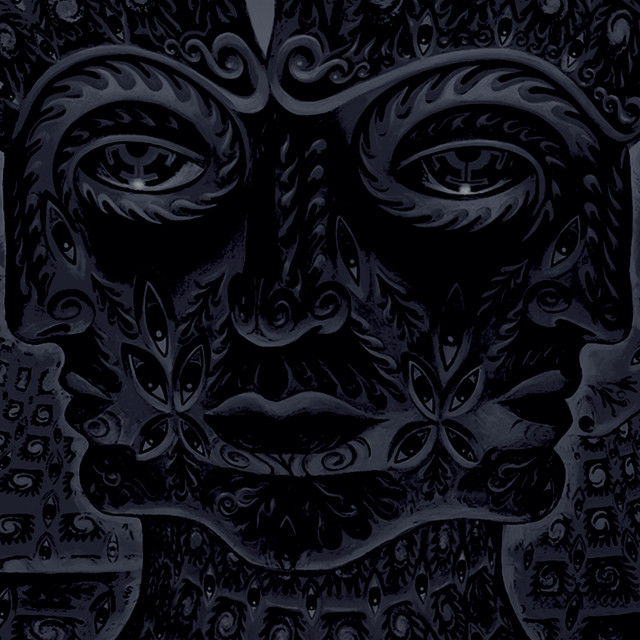
In an age where tragedy floods our screens, Tool's "Vicarious" serves as a stark commentary on our morbid curiosity. Released in 2006 as the lead single from their album "10,000 Days," the song critiques the way we consume suffering through the lens of modern media.
"Vicarious" draws listeners into a world where pain is not just observed but relished. The lyrics expose the unsettling truth about our engagement with tragedy: we are voyeurs, peering into the lives of those who suffer for our entertainment. The song's heavy instrumentation and Maynard James Keenan’s haunting vocals amplify this message, creating a visceral experience that lingers long after the final note.
The Spectacle of Suffering
The repeated refrain,
, highlights a chilling reality; we crave distance from the pain we consume. This distance allows for a detachment that many find comforting, even as it strips away our empathy. The song’s structure mirrors the chaos of our media landscape. With jagged time signatures and shifting dynamics, it reflects the unpredictable nature of what we witness daily."I need to watch things die, from a distance."
In a world where social media serves as a constant feed of tragedy—wars, natural disasters, and personal calamities—Tool taps into this phenomenon, questioning our role as passive consumers. The line
encapsulates the struggle between wanting to engage and the instinct to look away."I choose to live, and I can’t stop myself."
Reflection and Responsibility
The Grammy-nominated song not only critiques our fascination with the morbid but also challenges us to reflect on our responsibilities as consumers. The song's intricate layers of meaning encourage listeners to confront their own complicity in this cycle. Instead of merely absorbing the pain of others, it asks us to consider the ethical implications of our consumption.
Tool’s meticulous production, overseen by the band and their long-time collaborator Joe Barresi, enhances this message. The heavy, progressive rock sound is not just a backdrop but a crucial part of the narrative, propelling the listener through the psychological landscape of observation and complicity.
Modern Media's Vicious Cycle
As we scroll through sensationalized headlines and graphic images, "Vicarious" resonates even more profoundly today. It exposes the numbness that can result from constant exposure to tragedy, leading to a societal desensitization that is difficult to reverse. The line
serves as a reminder that while we may feel removed, we are nonetheless players in a system that thrives on our attention and engagement."I’m not the one who’s playing the game."
The irony is palpable; while we seek genuine connection and empathy, our media consumption patterns often breed isolation and apathy. Tool’s music, with its intricate rhythms and thought-provoking lyrics, challenges us to break this cycle and engage with the world around us meaningfully.
Conclusion: Tools for Change
Ultimately, "Vicarious" is more than just a song; it’s a call to action. In a time when our screens are filled with the suffering of others, Tool compels us to examine our own engagement with these narratives. Instead of being mere spectators, we have the opportunity to transform our consumption into something more empathetic and responsible.
In 2006, "Vicarious" won a Grammy for Best Recording Package and was nominated for Best Hard Rock Performance.