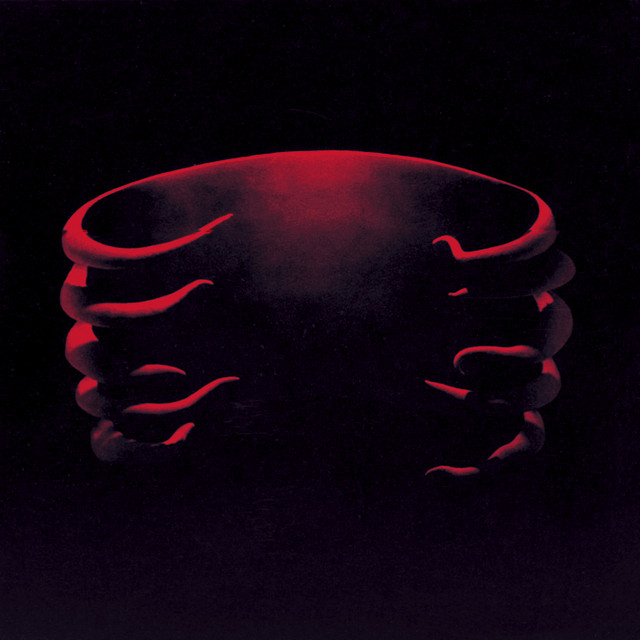
The Birth of a Band's Identity
Released on April 6, 1993, Tool's debut studio album, Undertow, is often hailed as a cornerstone of alternative metal. The band, with frontman Maynard James Keenan, guitarist Adam Jones, bassist Paul D'Amour, and drummer Danny Carey, crafted a sound that was both intricate and heavy, influenced by a mix of progressive rock and metal. Produced by the band alongside Sylvia Massy, Undertow showcases a rawness that captures the visceral emotions Keenan grapples with throughout.
Wrestling with Addiction
One of the most striking tracks on Undertow is “Sober,” a song that lays bare Keenan’s struggle with addiction and the shadows it casts over his life. The lyrics serve as a confession, a plea for understanding amid the chaos:
These lines echo the frustration of being trapped in a cycle of dependency, painting a vivid picture of insomnia that often accompanies substance abuse."Why can’t we sleep? / I can’t wake up"
“Sober” became a significant hit, earning Tool a spot in the mainstream, despite its dark themes.
Confronting Pain and Fear
Throughout Undertow, Keenan's lyrics delve into themes of pain, fear, and self-awareness. In “Prison Sex,” he explores the lasting scars of trauma, both physical and emotional. The track’s haunting refrain underscores the struggle to break free from past experiences that continue to haunt him. Keenan's voice embodies a sense of urgency, as if he’s wrestling with the very demons he describes.
"I have to find a way to escape"
This line resonates as a powerful mantra, representing his desire for liberation from the chains of his past. It’s not just about personal demons but also the broader implications of societal pain.
The Weight of Expectations
Keenan’s confrontation with his own psyche doesn’t just reflect personal issues; it also speaks to the weight of expectations placed on artists. The song “Undertow” encapsulates this struggle, as he grapples with the pressures of fame and the fear of losing himself in the process. The self-awareness in his lyrics reveals his understanding of how the music industry can amplify personal demons rather than alleviate them.
The Sound of Unrest
Musically, Undertow captures the tumult of Keenan’s inner world. The album’s production, marked by heavy guitars and complex rhythms, mirrors the chaotic thoughts that plague him. Tracks like “Intolerance” bring an aggressive sound that matches the visceral nature of his lyrics, creating a sonic representation of his internal battles.
Legacy of Vulnerability
Ultimately, Undertow stands as a testament to Keenan’s raw vulnerability. His willingness to confront and articulate his demons has paved the way for future generations of artists. By blending personal struggles with a broader commentary on society, Tool’s debut album remains relevant, resonating with listeners who find solace in shared experiences of pain and recovery.
The Journey Continues
As Tool evolved, so did Keenan’s exploration of these themes. While they would continue to address complex emotions in future albums, Undertow serves as a crucial starting point for understanding the man behind the music. The album’s haunting melodies and poignant lyrics invite listeners to embark on their own journeys through darkness and into the light.