Origins and Initial Impact
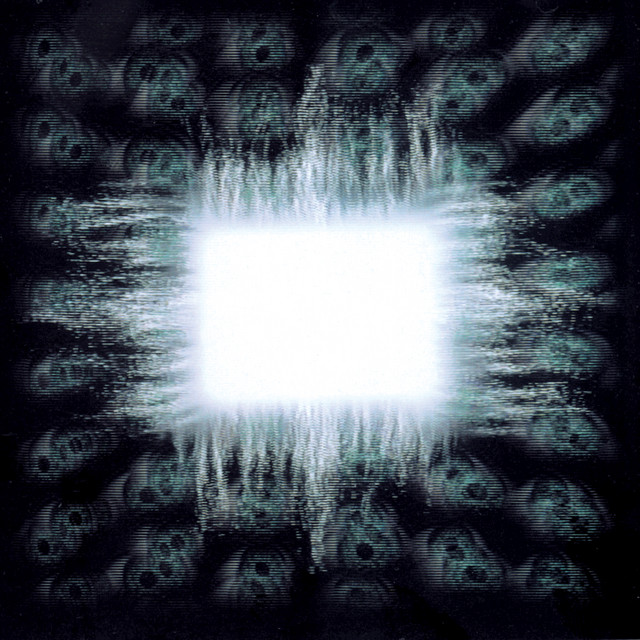
Released in 1996 as part of Tool's second studio album, Ænima, the song quickly became a touchstone for fans and critics alike. Produced by the band and David Bottrill, it melded progressive rock with elements of metal, creating a sound that was both intricate and primal. The track’s title itself is a play on words, merging the concepts of 'anima' (the soul) with 'enema,' suggesting a cathartic cleansing of societal ills.
A Live Experience Like No Other
From its inception, Ænema has been more than just a song; it’s a ritual in Tool's live performances. The band often uses elaborate visuals and lighting to enhance the experience, providing a sensory overload that matches the song's intense emotional landscape. The opening lines, delivered with a haunting urgency, set the stage for what feels like a collective catharsis amongst the audience.
Shifting Interpretations
Over the years, the meaning behind Ænema has shifted alongside cultural and societal changes. Originally, the song's critique of complacency and apathy in modern society felt particularly relevant during the late '90s. As frontman Maynard James Keenan laments,
, the lyrics reflect a growing frustration with societal decay. This resonance became even more powerful during the tumultuous political climate of the 2000s."Some say the end is near, some say we'll see armageddon soon"
Modern Resonance and Personal Growth
As Tool continues to evolve, so too does the interpretation of Ænema. In recent years, the song has taken on a more personal tone, reflecting not just societal critiques but also a deep introspection. The lines
suggest a vulnerability that contrasts with the earlier, more aggressive readings. As audiences grapple with their own challenges, the song's exploration of individual struggle becomes increasingly relevant."I’ll be the one to make you fall"
Visuals and Theatricality
Tool is well-known for their theatrical live shows, and Ænema is often the centerpiece. The incorporation of stunning visuals—ranging from psychedelic imagery to stark, unsettling visuals—creates an atmosphere that enhances the song's themes. The visuals offer an almost spiritual experience, aligning perfectly with the song's intent to provoke thought and introspection.
Fun Fact: The song was featured as a promotional single alongside tracks like "H." and "Forty Six & 2," but it’s the live rendition that truly captures its essence.
Legacy and Influence
As Tool celebrates decades of existence, Ænema remains a cornerstone of their discography. Its lasting impact is felt not only in the band's performances but also in the broader rock and metal genres. Artists across various styles cite Tool’s complex arrangements and thought-provoking lyrics as major influences, proving that the song's legacy extends beyond its initial release.
Conclusion: An Ongoing Journey
Today, Ænema serves as both a reflection of societal issues and a personal journey for listeners. Its evolution in live performance underscores the adaptability of the song, allowing it to remain relevant as it resonates with new generations. In a world that often feels chaotic, Ænema acts as a reminder of the power of music to provoke, heal, and unite.