Mathematics in Music
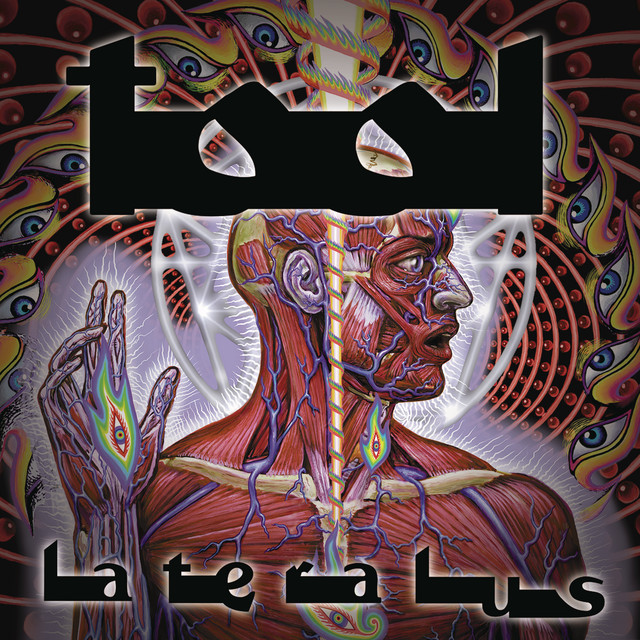
Tool’s "Lateralus," the title track from their 2001 album, is a profound exploration of the human experience, infused with a mathematical underpinning that elevates its structural intricacies. The band’s use of the Fibonacci sequence is not merely an artistic flourish but a central tenet that informs the song’s rhythm, lyrical content, and overall theme.
The Fibonacci Influence
The Fibonacci sequence, a series where each number is the sum of the two preceding ones, is often associated with natural patterns and growth. Tool employs this sequence to dictate the syllable count in the verses, creating a rhythmic pattern that mirrors the spiral of life itself. For instance, the syllables in the opening lines correspond to Fibonacci numbers: 1, 1, 2, 3, 5, 8, 13, and so forth.
"Black then white are all I see in my infancy"
This lyric opens the song in a contemplative state, reflecting the simplicity of beginnings. It’s a stark contrast to the complex structure that follows, leading the listener through a journey that encapsulates growth and self-discovery.
Lyricism and Structure
As the song progresses, it dives deeper into themes of spiraling consciousness and existential inquiry. The use of the Fibonacci sequence becomes more apparent, with the lyrics shifting in a way that mirrors the mathematical progression. This complexity is not just for show; it serves a purpose, allowing listeners to feel the very concept of growth and evolution.
"Spiral out, keep going"
These lines serve as both a directive and a reflection of the song's structure, encouraging listeners to embrace the process of continuous growth. The repetition of this phrase throughout the song reinforces the idea that personal evolution is a never-ending journey.
Musical Composition
Musically, "Lateralus" is a dynamic composition that shifts time signatures and tempos, further underscoring the themes of complexity and fluidity. The song moves seamlessly from heavy, aggressive sections to softer, melodic passages, much like the unpredictable nature of life itself. This rhythmic fluidity mirrors the Fibonacci sequence's inherent unpredictability, making the song feel alive.
Context of Creation
Recorded under the production of David Bottrill, "Lateralus" emerged after the commercially successful "Ænima" and marked a significant evolution in Tool's sound. The band's willingness to explore intricate concepts such as the Fibonacci sequence set them apart in a genre often dominated by simpler lyrical themes. The album was ranked No. 123 on the Rock and Roll Hall of Fame's "Definitive 200" list, a testament to its impact.
Did you know that "Lateralus" was inspired by the band's interest in both spirituality and mathematics?
Impact and Legacy
The influence of "Lateralus" extends beyond its immediate musical context. It has sparked discussions about the intersection of art and science, pushing listeners to consider deeper meanings in both. Tool's ability to weave complex mathematical ideas into their music not only challenges conventional songwriting but also invites listeners into a more profound dialogue about existence.
In a world where pop music often prioritizes catchy hooks over substance, Tool’s "Lateralus" stands as a bold statement of artistic integrity. By embracing the Fibonacci sequence, the band has created a work that is as intellectually stimulating as it is sonically rich, encouraging listeners to spiral out and keep going in their own explorations of life.