Roots of a Rock Classic
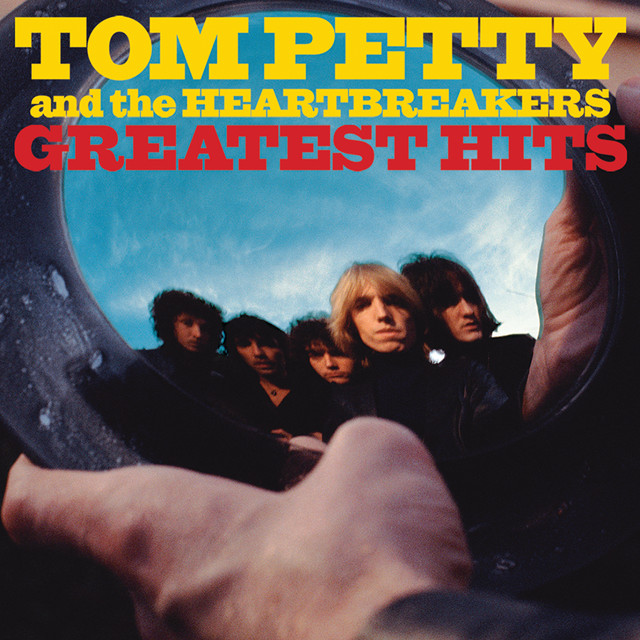
Recorded in 1993 for the album Greatest Hits, "Mary Jane's Last Dance" is often mistaken for a typical rock love song. However, beneath its catchy melody lies a narrative steeped in Tom Petty's personal experiences and reflections on life, love, and loss. The song stands out not just for its musicality but for its ability to encapsulate a moment of vulnerability and introspection.
Life in the Fast Lane
Petty's upbringing in Gainesville, Florida, was marked by a sense of restlessness and a desire for escape. This backdrop is crucial to understanding the emotional weight of "Mary Jane's Last Dance." The character in the song grapples with his feelings, encapsulated in the lines that reflect a yearning for connection while being trapped in a cycle of relationships that feel both liberating and confining.
"She grew up in an Indiana town, had a good lookin' momma who never was around."
The opening lines set the stage for a narrative that feels both specific and universal. Petty captures the essence of small-town life, where dreams often collide with harsh realities. This sense of place is pivotal, as it mirrors Petty's own struggles to balance personal aspiration with the weight of his roots.
The Weight of Relationships
The song's central figure, Mary Jane, serves as a metaphor for both love and addiction. Petty's use of the name evokes a duality: the allure of romance and the entrapment of dependence. The lyrics delve into the complexities of relationships, where the thrill of love is often intertwined with the pain of loss.
"And if you’re not sure, I’ll be here to make it right."
This line reveals a vulnerability that is characteristic of Petty's songwriting. He's not just telling a story; he's inviting listeners into his emotional landscape, shaped by his own experiences with love and regret. The way he navigates these themes adds depth to the narrative, making it relatable to anyone who has faced the bittersweet nature of relationships.
A Reflection on Mortality
In interviews, Petty acknowledged that the song also touches on the theme of mortality. The imagery of a last dance speaks to the inevitability of endings, whether in relationships or life itself. Petty faced loss throughout his career, which undoubtedly influenced his writing. The haunting quality of the music complements the lyrical content, creating a space for reflection.
"Last dance with Mary Jane, one more time to kill the pain."
This refrain encapsulates a sense of resignation mixed with nostalgia. It's a poignant reminder of how we often turn to fleeting pleasures as a means of coping with deeper existential questions. Petty's ability to frame these sentiments in a rock anthem speaks to his mastery as a songwriter.
Legacy and Lasting Impact
"Mary Jane's Last Dance" remains one of Petty's most enduring songs, a testament to his ability to weave personal experience into universal themes. The track has transcended its initial release, becoming a staple in rock music that continues to resonate with new generations. Its blend of catchy hooks and profound lyrical content exemplifies why Petty is revered as a songwriter.
Fun Fact: The music video for "Mary Jane's Last Dance" features actress Kim Basinger, who plays a corpse that Petty dances with, adding a layer of dark humor to the song's themes.
In the end, Petty's personal narrative is intricately woven into "Mary Jane's Last Dance," making it not just a song, but a reflection of his life, love, and the inevitability of goodbye.