The Birth of a Protest Anthem
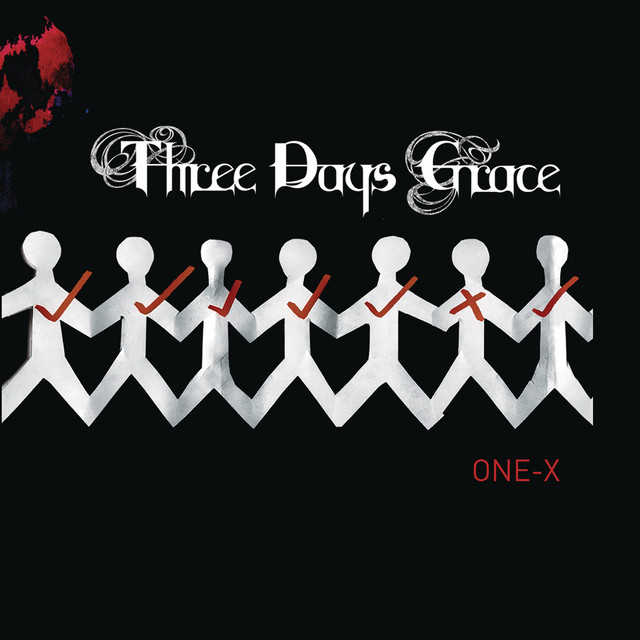
Released on November 6, 2007, as the fourth single from their sophomore album, "One-X," Three Days Grace's "Riot" quickly solidified its place in the canon of rock protest anthems. The song captures a raw, visceral frustration that many listeners can relate to, establishing the band as a voice for the disenfranchised. This Canadian band's ability to channel angst into an explosive sound has influenced a generation of rock musicians.
A Reflection of Discontent
At its core, "Riot" is a reaction to feelings of frustration and powerlessness. With lines like
, the song serves as a rallying cry, resonating with fans who feel marginalized by society. This sentiment of rebellion is crucial in the context of modern rock music, which often grapples with themes of disillusionment and societal critique."I’m gonna riot, I’m gonna riot"
Connection with the Audience
The song's immediacy is amplified by its hard-hitting sound, engineered under the production of Howard Benson, who has worked with various rock heavyweights. The track's blend of post-grunge melodies and aggressive instrumentation creates an atmosphere that compels listeners to confront their frustrations head-on. Three Days Grace taps into the collective consciousness of youth, making "Riot" not just a song, but a movement.
Influence on Contemporary Artists
In the years following its release, "Riot" has inspired numerous artists to embrace similar themes of rebellion and resistance. Bands like Bring Me the Horizon and Architects have taken cues from Three Days Grace, infusing their music with socio-political commentary while retaining an aggressive sound. This lineage shows how "Riot" has paved the way for a more outspoken rock genre.
The Legacy of 'Riot'
As protests and movements surge in today's world, the ethos of "Riot" remains relevant. The song has become a staple at live shows, often igniting passionate responses from crowds who share the same frustrations. It's a reminder that music is not just entertainment; it’s a powerful tool for expression and change.
Three Days Grace, originally formed as Groundswell in 1992, transitioned to their current name in 1997, solidifying their place in rock history.
A New Generation of Protest Music
The modern rock protest movement is characterized by its urgency and relevance, mirroring the societal upheavals of our time. "Riot" embodies this spirit, encouraging listeners to channel their anger into action. As more artists emerge with similar messages, the influence of Three Days Grace's anthem continues to echo, proving that rock music remains a vital platform for protest and dissent.
Conclusion: The Call to Action
In a world that often feels chaotic and unjust, "Riot" serves as a timeless reminder to speak out against oppression. Its energy fuels a generation that refuses to sit idly by. Three Days Grace has not just created a song; they’ve ignited a fire that continues to burn in the hearts of many, making them a cornerstone of the modern rock protest movement.