Generational Reflection of the 90s
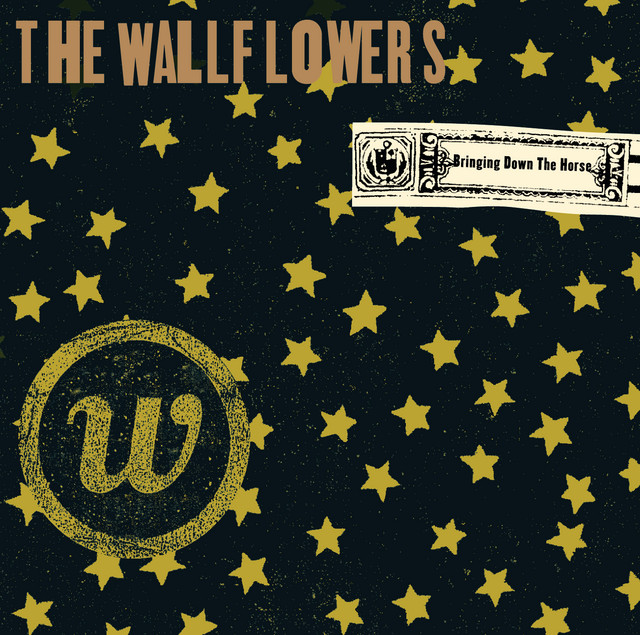
Released in 1996 as part of their album Bringing Down the Horse, "One Headlight" by The Wallflowers stands as a quintessential anthem for a generation grappling with disillusionment. Written by Jakob Dylan and produced by T Bone Burnett, the song captures the essence of 90s angst, addressing themes of uncertainty and yearning for clarity amidst a chaotic world.
The 90s were marked by a cultural shift; the idealism of the previous decade had crumbled under the weight of economic challenges and political disillusionment. In "One Headlight," Dylan's lyrics tap into the existential dread that many felt, as he sings,
This line reflects the pervasive sense of loss that defined the era, where friendships and relationships often felt transient and fleeting."So long ago, I don't remember when / That's when they say I lost my only friend."
A Soundtrack for the Aimless
The instrumentation of "One Headlight" contributes to its melancholic yet hopeful feel. The jangly guitars and steady drumbeat create a soundscape that is both inviting and introspective. It captures the feeling of driving through the night, searching for meaning in the headlights of an uncertain future.
As Dylan reminisces about a friend lost to time and circumstance, he encapsulates a broader sense of isolation. At the 1998 Grammy Awards, where the song won Best Rock Song, it was evident that audiences connected deeply with its themes. The Wallflowers had managed to articulate a collective experience of a generation feeling unmoored.
Lasting Impact and Relevance
Even today, "One Headlight" continues to resonate. Its themes are timeless, echoing the struggles of younger generations facing their own sets of challenges. Whether it's the pressures of social media or the uncertainties of an unstable job market, the sentiment of searching for clarity remains relevant.
Dylan's line,
serves as a refrain of hope amid despair. It suggests that even in moments of uncertainty, there is a possibility for understanding and resolution."And I can see the light, and I can see the light, and I can see the light,"
Interesting fact: The Wallflowers won two Grammy Awards in 1998, solidifying their place in rock history.
The song's influence extends beyond its initial release, inspiring countless artists who grapple with similar themes. The Wallflowers carved a niche that blended rock with introspective lyrics, paving the way for future acts to explore their own vulnerabilities through music.
A Timeless Anthem
In a world that often feels fragmented, "One Headlight" serves as a reminder that we are not alone in our struggles. It captures the essence of a generation that sought meaning in the mundane and found connection through shared experiences. As listeners reconnect with its heartfelt lyrics and memorable melodies, the song cements its place as a timeless anthem of 90s generational angst.