Raw Confessions of a Troubled Mind
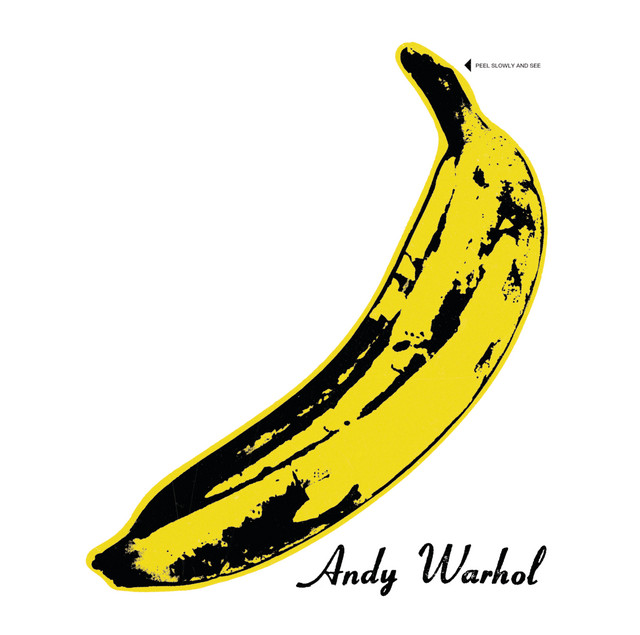
When The Velvet Underground released their debut album, The Velvet Underground & Nico, in 1967, it was a seismic shift in the music landscape. At the forefront was Lou Reed, whose candid lyrics pushed boundaries and challenged societal norms. The song "Heroin" stands as a stark testament to Reed's tumultuous relationship with addiction.
Writing "Heroin" was not an abstract exercise for Reed; it was deeply personal. His own experiences with drugs informed the song's visceral narrative. Reed's lyrics lay bare the duality of addiction — the seductive allure and the harsh reality. Lines like
reflect the mix of hope and despair that defined his journey."I don't know just where I'm going, but I'm gonna try for the kingdom if I can"
A Portrait of the Artist
Reed, raised in a middle-class family in Brooklyn, was no stranger to inner conflict. By the time he was writing for The Velvet Underground, he had already grappled with his identity and sexuality, as well as his burgeoning interest in the darker side of life. His stint at New York University’s Tisch School of the Arts allowed him to explore these themes, but it was his personal life that most vividly colored his writing.
The Velvet Underground was the product of a New York City art scene that thrived on experimentation and raw honesty. Reed's collaboration with Andy Warhol, who produced the album, further influenced the sound and style of the band. Warhol's avant-garde approach to art and culture seeped into the music, pushing Reed to confront the realities of addiction without romanticizing it.
The Sound of Addiction
The instrumentation of "Heroin" itself plays a crucial role in conveying the song's message. The steady, creeping tempo mimics the drug's grip, while the chaotic crescendo captures the high and subsequent crash. Reed's detached yet intimate vocal delivery creates a sense of urgency, pulling listeners into the depths of his experience.
Lines like
reveal Reed's struggle with emotional authenticity, mirroring the complexities of addiction. This stark honesty was revolutionary; it stripped away the glamor often associated with drug culture and replaced it with a chilling reality."And if I say I love you, I mean it, and if I don't, I don't"
The Cultural Impact
"Heroin" has transcended its initial release, influencing countless artists across genres. Its raw depiction of addiction has sparked discussions about the realities of substance abuse in a way that few songs had before. Reed's willingness to expose his vulnerabilities gave a voice to those who felt similarly trapped.
The song's impact is felt even today, as artists continue to grapple with themes of addiction and recovery. Reed's legacy is not just in the music he created but in the conversations he sparked about the human experience in all its complexities.
Interesting fact: Despite its controversial subject matter, "Heroin" was performed live by The Velvet Underground, showcasing Reed’s unwavering commitment to authenticity.
A Lasting Legacy
Ultimately, "Heroin" serves as a window into Lou Reed's psyche, revealing a man wrestling with his demons while simultaneously crafting a masterful piece of art. The song's unfiltered portrayal of addiction captures both the allure and the destruction it brings, making it a powerful commentary on the human condition.
Reed's ability to transform personal pain into art is what solidified his place in music history. He didn't shy away from the darkness; instead, he embraced it, giving listeners a haunting reflection of his internal struggles. With "Heroin," Lou Reed didn’t just write a song — he shared a piece of his soul.