The Echoes of Change
When Matt Johnson released "This Is the Day" in September 1983, the world was at a crossroads. The song, which appeared on the album Soul Mining, served as a soundtrack to a decade marked by economic strife, social upheaval, and a burgeoning sense of political activism. It reached number 71 on the UK Singles Chart, but its impact extended far beyond mere sales.
The 1980s were defined by stark contrasts: the optimism of the youth against the backdrop of Cold War tensions and economic recession in many Western countries. Johnson's lyrics speak to this duality, encapsulating a sense of urgency and hope amidst confusion. The line,
suggests not just personal transformation but a collective awakening, echoing a generation's desire for change."This is the day, your life will surely change"
The Personal Meets the Political
As the UK grappled with the policies of Margaret Thatcher, Johnson's work reflected the discontent brewing among the populace. The mid-1980s were a time of strikes, protests, and rising unemployment. Johnson's lyrics can be viewed as a response to this climate; they invite listeners to consider the potential for a better future, even if the present feels bleak. The song's driving rhythm and ethereal melodies amplify this call to action.
Lines like
suggest a resilience, a determination to not only endure but to actively seek change. This resilience was palpable in the air during protests against government policies, as young people mobilized for social justice."And when the day is done, I'll still be here waiting"
Musical Influences and Cultural Resonance
The The's sound, rich with post-punk influences, was emblematic of the era's innovative spirit. Producer and musician Johnson crafted a sonic experience that was both introspective and outward-looking. The fusion of rock, pop, and new wave elements mirrored the multifaceted nature of the political landscape. The urgency in his voice and the driving bass lines reflect the societal pressures faced by many during this tumultuous time.
Moreover, the song's title itself is a call to seize the moment, a mantra for a generation questioning authority and the status quo. It aligns with other cultural movements of the 1980s, where art and music became vehicles for political expression. The sentiment echoed in the works of contemporaries like U2 and The Smiths, who also grappled with themes of identity and social change.
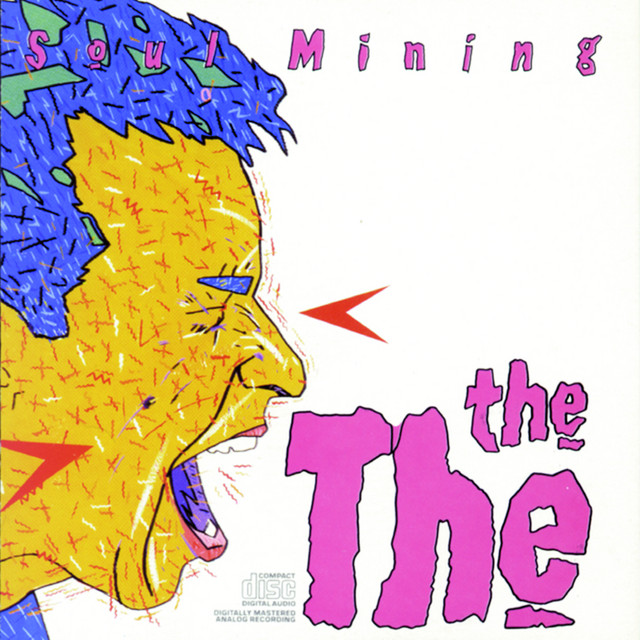
The The’s "This Is the Day" was released on September 2, 1983, as part of their debut album Soul Mining, which showcased a blend of rock and electronic influences.
A New Dawn in a Divided World
In the context of the 1980s, "This Is the Day" becomes more than just a song; it’s an anthem for those yearning for change. The optimism in Johnson's message was a counter-narrative to the pervasive despair of the time. He tapped into the zeitgeist, expressing a desire for personal and collective reawakening.
As the decade progressed, movements for civil rights, environmental awareness, and anti-nuclear sentiments gained momentum. Johnson's words resonated with those eager for a brighter future, making the song an enduring classic that continues to inspire. Even today, it serves as a reminder that each day holds the potential for change, reflecting the ongoing societal struggles.
Legacy and Relevance
Today, "This Is the Day" stands as a testament to the power of music to inspire and provoke thought. In an era where political tensions seem to mirror those of the past, Johnson's message remains vital. The song invites listeners to acknowledge the struggles of their time and to engage actively in creating a better world.
As we navigate our current landscape, the lyric
resonates with renewed significance, reminding us that the future is still unwritten, and each day presents an opportunity for transformation."This is the day, your life will surely change"