A Heartfelt Cry Amidst Social Turmoil
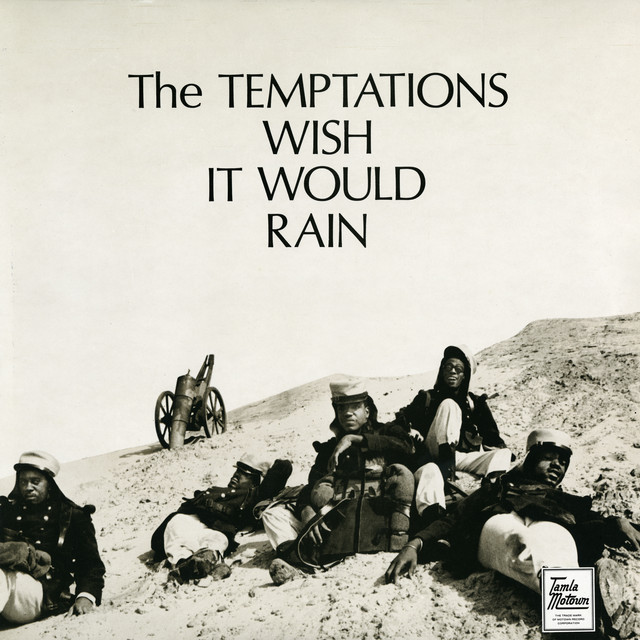
Released in 1967, The Temptations' "I Wish It Would Rain" stands as a powerful ballad that captures the emotional weight of a generation grappling with heartbreak and societal upheaval. Produced by the legendary Norman Whitfield, this track is more than a love song; it is a reflection of the intense social climate during the civil rights movement. Through its lyrics and soulful sound, the song echoes the sentiments of despair, longing, and hope that defined the era.
The Personal and the Political
While the lyrics may initially seem to dwell on personal sorrow—"I wish it would rain, rain down on me"—the subtext reveals a broader commentary on the struggle for civil rights. The yearning for rain symbolizes a desire for cleansing and renewal, a metaphor for the social justice movements that were gaining momentum across America. As the nation faced violence and resistance, the emotional turmoil expressed in the song found a parallel in the lives of those fighting for equality.
"So I can cry, I can cry, I can cry..."
This line encapsulates the sorrow of a community that felt unheard and marginalized. The Temptations, with their smooth harmonies and poignant delivery, became a voice for those who felt the weight of both personal and collective grief. The emotional intensity of this song aligns with the struggles faced by African Americans during a time when civil rights were being fiercely contested.
A Soundtrack for Change
The Temptations' music was often intertwined with the social issues of the day. In the same year "I Wish It Would Rain" was released, civil rights leaders like Martin Luther King Jr. were advocating for nonviolent protest against systemic racism. The melancholy of this track mirrors the somber yet resilient spirit of those who marched for justice, highlighting how music served as both an escape and a rallying cry.
Interestingly, "I Wish It Would Rain" was part of the album released in 1968, which was also the final studio album featuring the classic lineup of The Temptations.
The Role of Motown in Social Commentary
Motown Records played an essential role in shaping the cultural landscape of the 1960s. Artists like The Temptations used their platform to discuss issues like love and heartbreak while also touching on the broader societal challenges facing African Americans. "I Wish It Would Rain" didn’t just gain airplay; it became an anthem of sorts for those experiencing heartbreak on multiple levels—personal and political.
A Lasting Legacy
Today, the song continues to resonate, a reminder of the struggles and triumphs of the civil rights movement. Its themes of longing and despair remain relevant as contemporary movements echo the same cries for justice and equality. The Temptations’ ability to weave personal narrative with social commentary allows "I Wish It Would Rain" to transcend its era, making it a timeless reflection on the human condition in the face of adversity.
In a world still grappling with issues of race and equality, The Temptations remind us through their music that the fight for justice is ongoing, and sometimes, a heartfelt cry is all we have to express our pain.