Unpacking the Desire for Authenticity
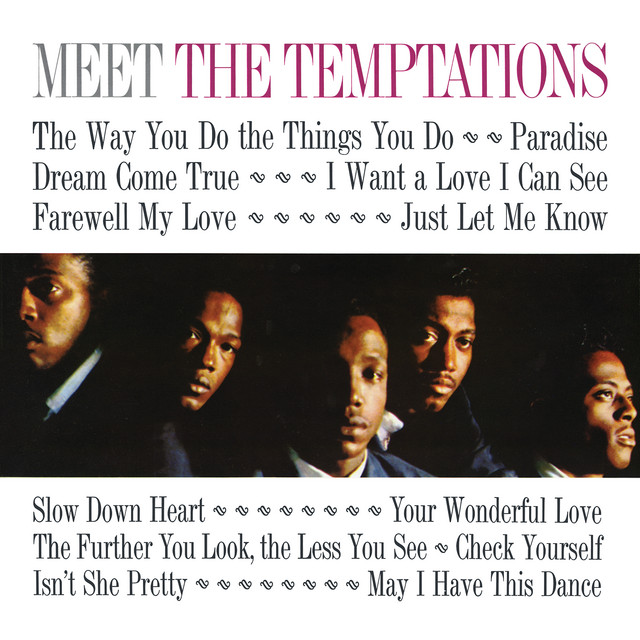
Released in 1963, "I Want A Love I Can See" marked a pivotal moment for The Temptations, showcasing their yearning for genuine affection. This song, the group's first A-side written and produced by Smokey Robinson, captures the essence of Motown's rich sound while delving into a theme that resonates across generations: the quest for a love that is tangible and real.
The Temptations were known for their smooth harmonies and slick choreography, but this track stands out for its raw emotional honesty. The lyric,
, succinctly expresses the desire for a relationship that goes beyond superficial gestures. It’s a plea for visibility in love, a call for something that can be felt and seen, not just imagined or hoped for."I want a love I can see, a love that's made for me"
Contrasting Expectations and Reality
In the early '60s, the Motown sound was booming, yet many songs focused on fleeting romance and infatuation. The Temptations, however, were unafraid to dive into the complexities of love. They articulate a longing for sincerity, showcasing a stark contrast to the era’s often idealized depictions of romance.
The line
highlights the emotional vulnerability that comes with seeking love. It’s not merely about companionship; it’s about finding someone who can fulfill that deep-seated need for connection. This sentiment echoes throughout the song, reinforcing the notion that love should be visible and reciprocated."I don’t want to be alone, I just want to be with you"
The Motown Influence and Production
Produced in the golden era of Motown, this track showcases Smokey Robinson's exceptional ability to blend lyrical depth with catchy melodies. The lush instrumentation creates an inviting atmosphere, allowing the poignant lyrics to shine. It's a testament to Robinson’s genius; he knew how to craft a song that was both commercial and meaningful.
Interesting Fact: "I Want A Love I Can See" was one of the early tracks that helped define The Temptations' signature sound, setting the stage for their future hits.
A Reflection of the Times
The early '60s were a transformative period, not just for music but for societal norms regarding love and relationships. The Temptations’ yearning for a visible love reflects a broader cultural shift towards valuing emotional authenticity. As the civil rights movement gained momentum, so too did the desire for authenticity in personal relationships.
The simplicity and sincerity of the lyrics resonate with listeners who are navigating their own romantic landscapes. In an era when love often felt constrained by societal expectations, The Temptations boldly advocated for a love that was not just felt but seen and acknowledged.
Conclusion: A Lasting Legacy
More than just a catchy tune, "I Want A Love I Can See" encapsulates a deep desire for authentic connection. The Temptations, with their impeccable harmonies and compelling lyrics, have left an indelible mark on music, influencing countless artists in their wake. Their message remains relevant today, reminding us that the quest for a love that is genuine and visible is timeless.