Breaking Away from Conventional Love Songs
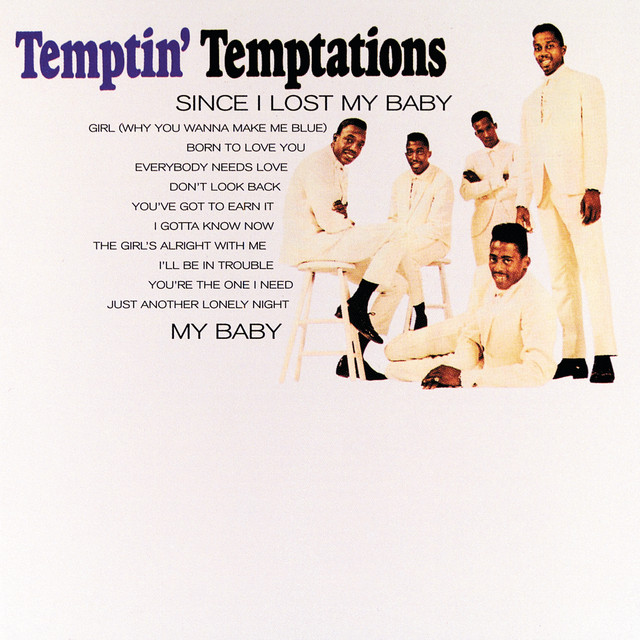
Released in 1965 as the flip side to their hit "My Baby," The Temptations' "Don't Look Back" marks a notable shift in the messaging of Motown. While much of the label's early catalog focused on romantic love and heartbreak, this track introduces an element of resilience. It emphasizes moving forward instead of dwelling on past pain, a theme that resonates with the broader cultural currents of the time.
Contextualizing the Era
The mid-1960s was a tumultuous period in America, marked by civil rights struggles and a burgeoning youth culture. Motown, a powerhouse in the music industry, found itself at a crossroads. While their artists like The Supremes and Marvin Gaye were delivering infectious love songs, The Temptations began to tap into a different narrative—one of empowerment and self-determination.
Lyric Analysis: A Message of Empowerment
In "Don't Look Back," the lyrics urge listeners to shed their past burdens. The refrain, “Don't look back, just keep on moving,” serves as a rallying cry, suggesting that dwelling on past mistakes or heartaches only hinders personal growth. This message was particularly relevant for the African American community navigating systemic barriers and societal challenges.
"Don't look back, just keep on moving"
Production and Sound: A Classic Motown Formula
Produced by the legendary Smokey Robinson, the song retains the lush instrumentation typical of Motown, featuring a catchy melody and tight harmonies. However, the lyrical shift represents a more mature, reflective approach. The Temptations' harmonies elevate the song's hopeful message, making it not just a sonic delight, but an anthem of perseverance.
This song was part of an album that included other hits, showcasing The Temptations' versatility and growth in their lyrical themes.
A Broader Influence on Motown's Legacy
The impact of "Don't Look Back" can be seen in the later works of Motown artists who embraced themes of resilience and empowerment. Songs like Marvin Gaye's "What's Going On" and Stevie Wonder's "Higher Ground" followed this trail, signaling a shift towards more socially conscious narratives in popular music.
Conclusion: The Temptations' Lasting Impact
Ultimately, "Don't Look Back" isn't just a song about forgetting the past; it’s a manifesto for the future. As Motown began to diversify its message, The Temptations played a crucial role in shaping the label's evolution. Their commitment to exploring new themes helped pave the way for generations of artists who would follow in their footsteps.