The Psychedelic Shift
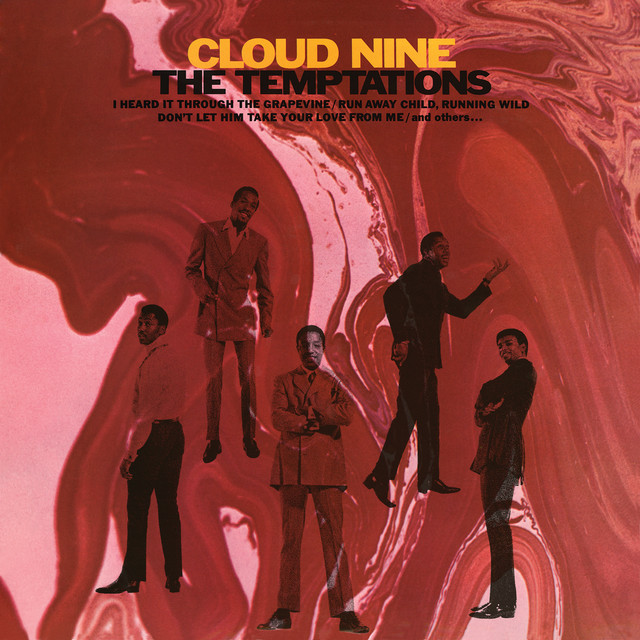
The late 1960s marked a seismic shift in pop culture, with psychedelic influences permeating music, art, and social movements. For The Temptations, this was more than just a backdrop; it was a catalyst for change. Their 1968 hit single "Cloud Nine" and the subsequent album of the same name encapsulated the essence of a generation seeking liberation through sound.
A New Vocal Identity
"Cloud Nine" was significant for being the first single featuring Dennis Edwards, who brought a raw energy that transformed the group. This transition coincided with a broader cultural awakening, where the traditional boundaries of soul and pop began to blur. The lyrics reflect a yearning for escape, a theme prevalent in both the psychedelic movement and the tumultuous social climate of the time.
"I’m on cloud nine, I feel so fine"
These lyrics speak to a euphoric state that resonates with the era's quest for higher consciousness. The notion of being on "cloud nine" suggests a blissful detachment from reality, mirroring the experiences of many who experimented with psychedelics during this period.
The Influence of Motown’s Motifs
Produced by Norman Whitfield, "Cloud Nine" marks a pivotal moment in Motown's evolution. Whitfield's innovative production techniques incorporated lush orchestration and complex arrangements that drew on psychedelic rock influences. This was a departure from the more straightforward sound that had characterized Motown's earlier hits.
Interestingly, "Cloud Nine" was the first Motown song to address the themes of drug use, reflecting the changing attitudes of the era.
The album "Cloud Nine," released in 1969, further solidified this new direction. The fusion of soul with psychedelic elements created a sound that was both fresh and deeply rooted in the African American experience. Tracks like "Run Away Child, Running Wild" explore themes of escapism and the search for identity, a reflection of the chaotic social landscape of the time.
The Cultural Impact
The impact of "Cloud Nine" extended beyond music; it became a cultural touchstone. The song and album provided a soundtrack to the counterculture movement, resonating with a generation disenchanted by societal norms. It also paved the way for future artists to explore similar themes, bridging the gap between soul and the expanding realms of rock and pop.
"I feel the change, I feel the change"
This line captures the essence of the era—a collective consciousness awakening to new possibilities. The Temptations, through "Cloud Nine," became not just entertainers but voices of a generation yearning for something more.
Legacy and Reverberation
Decades later, the influence of "Cloud Nine" is still felt. Its blend of soul and psychedelia has inspired countless artists across genres. The song remains a staple of classic soul playlists, its message of transcendence and liberation continuing to inspire listeners.
In a world still grappling with issues of identity and escape, "Cloud Nine" serves as a reminder of the power of music to reflect and shape cultural movements. The Temptations didn’t just create a hit; they captured a moment in time, forever linking their legacy to the psychedelic revolution.