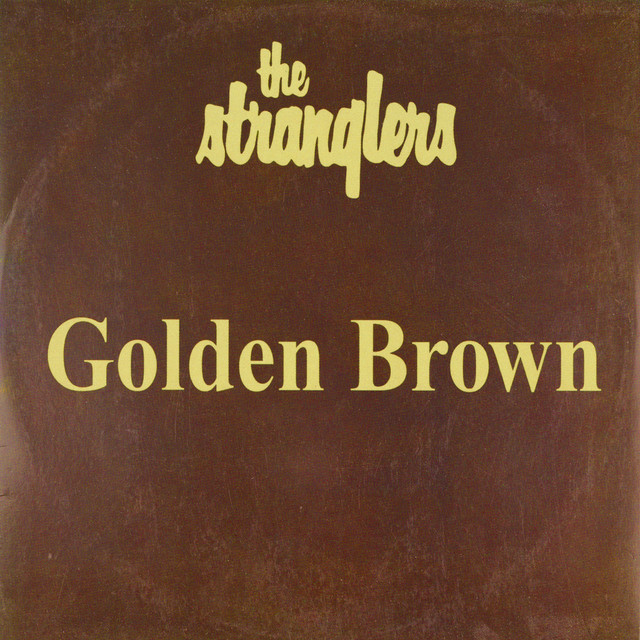
A Haunting Melody
Released in 1982 as part of their fifth studio album, *La Folie*, The Stranglers' "Golden Brown" stands as a haunting exploration of addiction, desire, and the passage of time. The song's distinctive harpsichord riff and subdued yet evocative lyrics invite listeners into a world that feels both lush and melancholic. Its themes echo with the narratives found in 19th-century literature, particularly those revolving around the opium trade.
The Allure of Opium
In works like Thomas De Quincey's *Confessions of an English Opium-Eater*, the drug serves as both a source of pleasure and a harbinger of torment. The allure and the pain intertwine—much like the love described in "Golden Brown". The line,
evokes an image of warmth and beauty that belies the darker undertones of addiction."Golden brown, texture like sun"
Literary Parallels
The way opium is romanticized in literature reflects how The Stranglers approach themes of love and dependency. The song’s subtle references to time and longing resonate with De Quincey’s reflections on memory and the ephemeral nature of pleasure. The opium den becomes a space where reality blurs, not unlike the intimate yet elusive relationship portrayed in "Golden Brown".
Musical Composition
The composition itself, blending rock with baroque elements, mirrors the contradictions inherent in opium's duality—it's both inviting and destructive. The Stranglers, known for their punk roots, take a detour into a more sophisticated sound with this track, much like how 19th-century authors navigated the societal implications of drug use while delving into their poetic depths.
The Weight of Addiction
As the song progresses, the refrain captures the cyclical nature of addiction. The line,
encapsulates the binding promise of love that mirrors the grip of addiction. Both are intoxicating, yet both can lead to despair."And if you said, I’ll never leave you"
Impact on Culture
"Golden Brown" became more than just a single; it transformed into a cultural touchstone, one that reflects broader societal issues. The opium trade was not merely a historical footnote; it shaped economies, influenced literature, and altered the fabric of society. Similarly, the song's enduring popularity speaks to its resonance with themes of love and loss, addiction and recovery.
Legacy of the Song
As we navigate the complexities of modern life, the themes embedded in "Golden Brown" remain relevant. The song is not just about a romantic relationship but a commentary on the human experience—its struggles and its fleeting joys. Just as 19th-century literature examined the opium trade's societal impacts, The Stranglers invite us to reflect on our own dependencies, be they emotional or chemical.
Did you know? *La Folie*, the album containing "Golden Brown", marked a shift for The Stranglers, showcasing their evolution from punk rock to a more eclectic sound.
A Timeless Reflection
Ultimately, "Golden Brown" serves as a bridge between eras, linking the opium-infused narratives of the past with modern musings on love and loss. It’s a reminder that while the specifics of addiction may change, the emotional truths remain. Just as De Quincey’s writings captured the complexities of his addiction, The Stranglers’ masterpiece continues to echo through the ages, inviting each generation to ponder its own golden brown moments.