The Anthem of a City
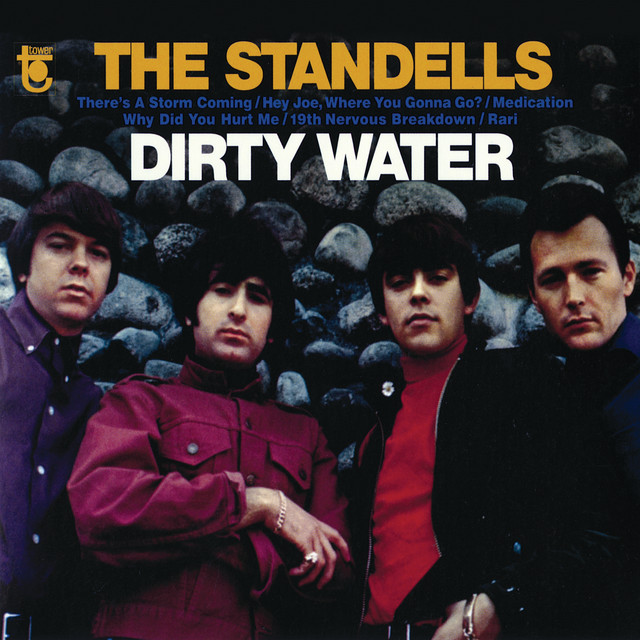
Released in 1965, The Standells' "Dirty Water" is more than just a rock song; it's a cheeky celebration of Boston's grit and character. Written by producer Ed Cobb, the track is a mock paean to a city that, in many ways, revels in its imperfections. The lyrics paint a vivid picture of life in Boston, highlighting both the rough edges and the enduring charm of the city.
Embracing the Flaws
Boston, with its rich history and distinctive culture, has long been defined by its resilience. "Dirty Water" captures this spirit, as it openly acknowledges the city's flaws while simultaneously embracing them. The opening lines, with their catchy, almost rebellious tone, set the stage for a song that doesn’t shy away from the less glamorous aspects of urban life.
"I love that dirty water, oh, Boston, you're my home."
This line encapsulates a deep-seated affection for the city, one that resonates with locals who understand that every metropolis has its blemishes. For Bostonians, the muddy waters of the Charles River signify more than pollution; they represent a certain authenticity that defines the city's identity.
The Sound of the Sixties
Musically, "Dirty Water" is steeped in the garage rock sound of the 1960s, a genre that thrived on rawness and a DIY ethic. The Standells managed to capture a sense of urgency and rebellion that mirrored the youthful spirit of the era. Their sound, combined with the lyrical content, made the song a perfect fit for a city that was, at the time, undergoing significant social and cultural shifts.
A Local Legacy
The impact of "Dirty Water" extends beyond its catchy melody. It has become an unofficial anthem for Boston, often played at sporting events and local celebrations. The song’s infectious chorus has become a rallying cry for fans, serving as a reminder of the city’s unique character and communal pride.
Did you know? The Standells recorded "Dirty Water" in a single take, capturing the raw energy that would make the song iconic.
Culture and Community
In many ways, "Dirty Water" symbolizes a broader cultural narrative for Boston. The city has long been a melting pot of different communities, each contributing to its identity. The song's lyrics reflect a shared experience, one that resonates with the diverse population that calls Boston home.
"Boston, you're my home."
These words are a testament to the deep-rooted connection Bostonians feel toward their city. It's a love affair marked by an understanding of both the beauty and the chaos that come with urban life.
Modern Interpretations
Today, "Dirty Water" continues to echo through the streets of Boston, resonating with new generations. Local artists often reference the song as they explore their own relationships with the city. Whether through music, art, or literature, the legacy of The Standells' classic remains a touchstone for cultural expression in Boston.
Conclusion: A Complex Love
"Dirty Water" serves as a reminder that love for a city is not always clean-cut. It’s messy, complicated, and often fraught with contradictions. The Standells captured this complexity perfectly, creating a song that not only celebrates Boston but also invites its residents to embrace their city's imperfections. In a world that often seeks perfection, the anthem of dirty water offers a refreshing perspective: that there is beauty in the flawed and the real.