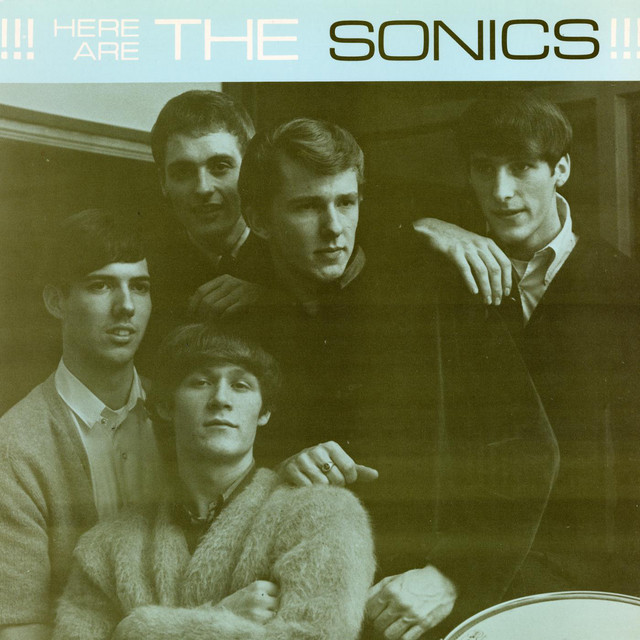
The Sonics and the Blues Connection
The Sonics’ 1965 cover of Richard Berry’s "Have Love, Will Travel" is a hard-hitting testament to the raw energy of garage rock. Yet, as we peel back the layers, it’s clear that this song's roots dig deep into the early blues tradition. The song was originally penned by Berry in 1959, a time when blues was transforming and influencing various genres, including rock and roll.
Berry's version is steeped in a slicker, doo-wop style, but when The Sonics took it on, they injected it with a frenetic energy that was characteristic of the Pacific Northwest's burgeoning rock scene. Their take transformed the song into an anthem of youthful rebellion and heartache.
Richard Berry's Legacy
Richard Berry is often hailed as a pioneer of rock music. His original recording of "Have Love, Will Travel" features smooth vocal delivery and a playful melody, but it’s the lyrical content that stands out. The line "I’ve got a love to give, but I can’t find a place to go" encapsulates a feeling of restless longing.
"I’ve got a love to give, but I can’t find a place to go"
This sentiment would resonate with the angst of the 1960s youth, making it a perfect vehicle for The Sonics' explosive sound. Their version drops the doo-wop charm for a more visceral, guitar-driven approach that channels the essence of blues while creating a new genre altogether.
Garage Rock’s Debt to Blues
Blues music has always been about raw emotion and storytelling, and The Sonics didn’t shy away from this. Their version retains the core of Berry’s narrative but amplifies the urgency with distorted guitars and pounding drums. The garage rock genre thrives on this kind of energy, and The Sonics are often credited with being one of its forebearers.
Their decision to cover a relatively obscure song speaks volumes about their appreciation for the roots of rock. By diving into blues, they not only honored Berry's original composition but also connected their sound to the lineage of American music. The guitar riff in their version is particularly striking, echoing the bravado of blues legends while establishing a new sound.
Revival Through Advertising
The Sonics’ version may have been overshadowed for decades, but a resurgence occurred in 2004 when their cover was featured in a Land Rover commercial. This unexpected platform introduced the band to a new generation and highlighted the song's timeless appeal. The gritty, pulsating energy of their recording made it a perfect fit for the rugged aesthetic of the ad.
Interesting fact: The Sonics' version of "Have Love, Will Travel" was not a commercial success upon its release, but the 2004 ad spurred renewed interest in the band, leading to new tours and releases.
Such a revival underlines how the blues influence has never really faded; it simply evolves. The Sonics’ rendition, with its powerful, driving beat, serves as a bridge between the traditional blues sound and the raw energy of punk and garage rock.
Conclusion: The Lasting Impact
Ultimately, The Sonics’ cover of "Have Love, Will Travel" is a prime example of how early blues has shaped contemporary rock music. Their ability to channel the emotional weight of Berry’s lyrics into a hard-hitting rock format is what makes this song an enduring classic.
As the lines blur between genres, it becomes evident that the early blues influence is not just a historical footnote, but a living, breathing part of the music we still love today. In a world where music constantly reinvents itself, The Sonics remind us of the power of roots, reminding us that true emotion can always find a way to travel.