The Context of a Revolution
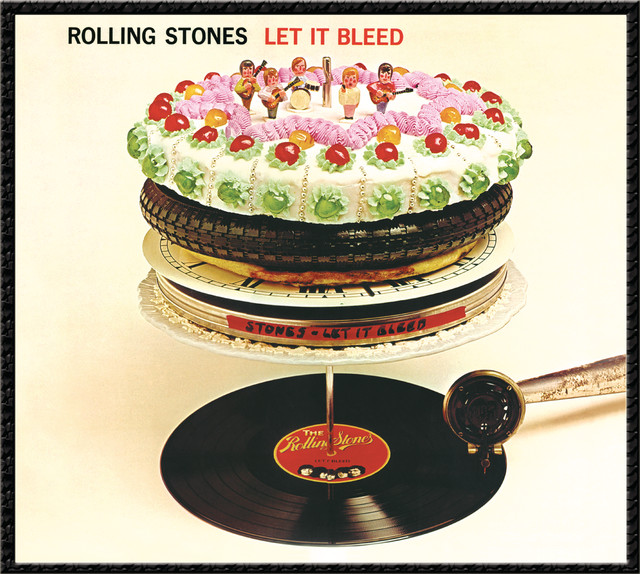
When The Rolling Stones released "You Can't Always Get What You Want" in 1969, the world was in turmoil. The Vietnam War raged on, civil rights movements were gaining momentum, and young people were disillusioned with authority. This song, featured on their album Let It Bleed, captures a unique moment in time, balancing a sense of hope with stark realism.
Life's Harsh Realities
Written by Mick Jagger, the song's central message resonates with anyone who's ever faced disappointment. Its famous refrain,
serves as a powerful reminder of the complexities of life. It transcends personal disappointment and taps into broader societal frustrations."You can't always get what you want, but if you try sometimes, you just might find you get what you need,"
Political Discontent
The late 1960s were defined by a growing disillusionment with political promises. The song reflects this sentiment, suggesting that what you desire is often at odds with the reality of the political landscape. The idealism of the era stood in stark contrast to the grim realities many were facing. The Stones, often perceived as the bad boys of rock, were simultaneously astute observers of the shifting political climate.
From the Streets to the Stage
The song's gospel-inflected choir and orchestral arrangement add a layer of complexity, reflecting the social upheaval of the time. The inclusion of a choir was not just an artistic choice; it echoed the collective yearning for change and unity amidst chaos. This was a period when music became a means of protest, and the Stones tapped into that energy.
Influences and Impact
While some may view the song as merely a reflection on personal desires, its roots are deeply political. Jagger and Keith Richards crafted a narrative that spoke to the disenfranchised youth of the time, positioning the band as more than just entertainers but as cultural commentators. Their influence extended beyond music, serving as a voice for a generation grappling with political disillusionment.
A Legacy of Resilience
The song's enduring popularity speaks to its universal themes. It has been covered and referenced by countless artists, including the New Radicals in their hit "You Get What You Give," which also tackles notions of aspiration and reality. Both songs emphasize that while the journey may be fraught with challenges, the pursuit of what one needs is a collective struggle.
A Call to Reflection
In today's world, the themes of "You Can't Always Get What You Want" remain relevant. Political discontent persists, and the desire for change continues to fuel movements across the globe. As listeners, we are reminded that our aspirations must be tempered with the understanding that reality often diverges from our dreams.
Conclusion: A Timeless Anthem
The Rolling Stones captured a moment in history that continues to echo through time. "You Can't Always Get What You Want" is not just a song about unmet desires; it is a commentary on the political landscape and a call for resilience in the face of adversity. Its message is a reminder that while we may not always get what we want, the struggle for what we need is universal and ongoing.
Interesting fact: The song was famously used in the closing scene of Martin Scorsese's film 'The Departed,' underscoring its lasting impact on popular culture.