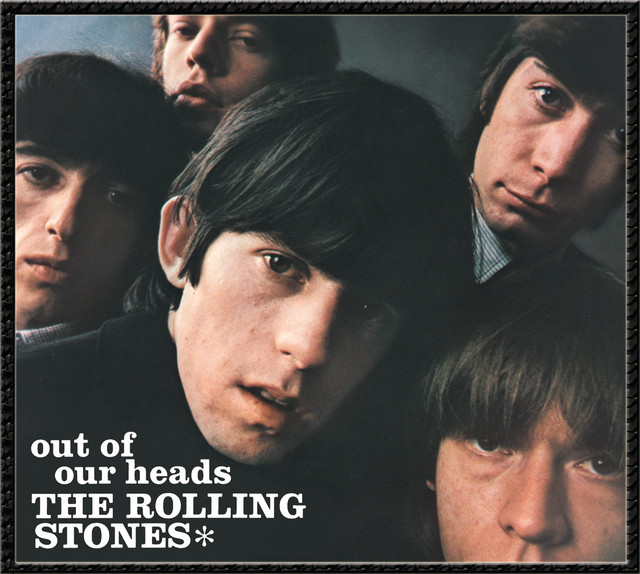
The Birth of a Cultural Phenomenon
When The Rolling Stones released "(I Can't Get No) Satisfaction" in 1965, it wasn't just another rock song; it was a clarion call for a generation yearning for change. Written by Mick Jagger and Keith Richards, this track was grounded in a gritty electric riff and a raw vocal delivery that spoke the language of discontent. The song quickly became synonymous with the youth culture of the 1960s, echoing the frustrations of a society in flux.
A Sound of Discontent
The iconic opening riff, often regarded as one of the greatest in rock history, sets the tone for a song that captures a visceral sense of dissatisfaction. Jagger's lyrics channel a universal feeling of alienation:
This sentiment resonated deeply with young people who felt misunderstood in a world dominated by conservative values."I can't get no satisfaction / I can't get no girl reaction."
The Context of Rebellion
Emerging during the height of the counterculture movement, "Satisfaction" reflected the growing discontent among the youth. With the Vietnam War escalating and civil rights movements gaining momentum, young people were increasingly questioning societal norms. The song's relentless chorus became an anthem of rebellion, a perfect soundtrack for protests and gatherings.
Production and Impact
Produced by Andrew Oldham, the rawness of "Satisfaction" was a departure from the polished pop sounds of the era. The Stones' embrace of a grittier aesthetic helped solidify their position as the bad boys of rock, contrasting sharply with The Beatles' more sanitized image. This rebellion against the mainstream was something that the youth could rally behind.
A Lasting Legacy
Even decades later, the influence of "Satisfaction" can be seen in the music of subsequent generations. It paved the way for punk, grunge, and beyond, encouraging artists to channel their frustrations through music. The song's infectious energy and defiance still echo in today’s youth anthems, proving that the desire for authenticity and expression is timeless.
Conclusion
In a decade marked by change and upheaval, "(I Can't Get No) Satisfaction" emerged not just as a hit song, but as a cultural touchstone. It encapsulated the angst and aspirations of a generation, making it a definitive anthem for youth culture in the 1960s.