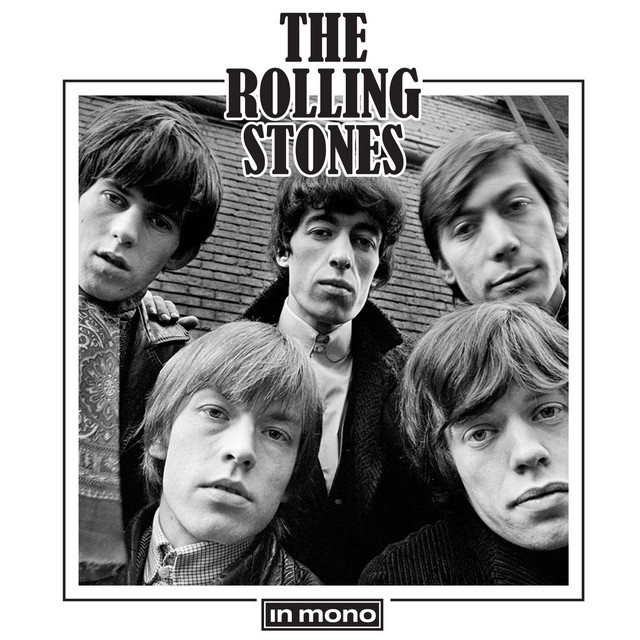
Cultural Upheaval and Musical Response
Released in 1966 as part of the album Aftermath, "Paint It, Black" stands as a quintessential reflection of the cultural upheaval that characterized the 1960s. As the Vietnam War escalated and civil rights movements gained momentum, art became a mirror for societal angst. The Rolling Stones, with their raw energy and defiance, channeled this chaos through their music.
The song's iconic sitar riff, played by Brian Jones, introduced a sound that was both exotic and unsettling, evoking the dissonance of the times. The use of the sitar was not merely a gimmick; it signified a yearning for change and a break from traditional Western musical forms. In a decade marked by experimentation and rebellion, this instrumental choice aligned perfectly with the cultural zeitgeist.
Lyrics that Speak to Despair
“Paint It, Black” dives deep into themes of loss and despair, a sentiment that resonated with many during the turbulent 1960s. The lyrics reflect a profound sense of mourning and the desire to escape reality:
This line encapsulates a longing for an end to suffering, suggesting that to paint everything black is to numb the pain of existence. The imagery is stark yet powerful, resonating with listeners who felt disillusioned by the prevailing social climate."I see a red door and I want it painted black."
Moreover, the refrain,
serves as a metaphor for a world stripped of hope. In a period where the American Dream was increasingly questioned, the Stones articulated a collective disenchantment. The emotional weight of these lyrics was amplified by Mick Jagger’s haunting vocal delivery, making it clear that this was not just a song but a cry for help."No colors anymore, I want them to turn black,"
The Rolling Stones' Position in the 60s Music Scene
As the Stones emerged from the shadow of The Beatles, they embraced a darker, more rebellious image that resonated with the youth of the time. "Paint It, Black" was a stark departure from the more cheerful tunes of their contemporaries. It was an anthem for those disillusioned by the promises of prosperity and happiness that seemed increasingly unattainable.
Interestingly, despite the song's heavy themes, it became one of the band’s biggest hits, reaching number one on the Billboard Hot 100. This commercial success highlighted a paradox: while the public was drawn to the darkness, they simultaneously craved the authenticity that the Stones embodied.
Legacy and Impact
“Paint It, Black” has lived on through generations, continually being reinterpreted in various cultural contexts. Its relevance persists, not just as a relic of the 1960s but as a timeless expression of despair that resonates in today's world. The Rolling Stones have released an impressive discography, including 31 studio albums and multiple live recordings, yet this track remains a standout moment, illustrating their capacity to capture the essence of a moment in time.
The song's raw energy and emotional depth have influenced countless artists across genres, from punk rock to alternative music. Its enduring legacy is a testament to the band's ability to encapsulate the spirit of an era marked by tumult and transformation.
Conclusion: A Necessary Darkness
In a world where art often reflects the chaos of existence, "Paint It, Black" serves as a haunting reminder of the darkness that can accompany change. The Rolling Stones, through this seminal track, not only chronicled the disillusionment of the 1960s but also provided a soundtrack to the collective grief that defined a generation. It’s a song that continues to evoke emotion, making it an essential part of rock history.